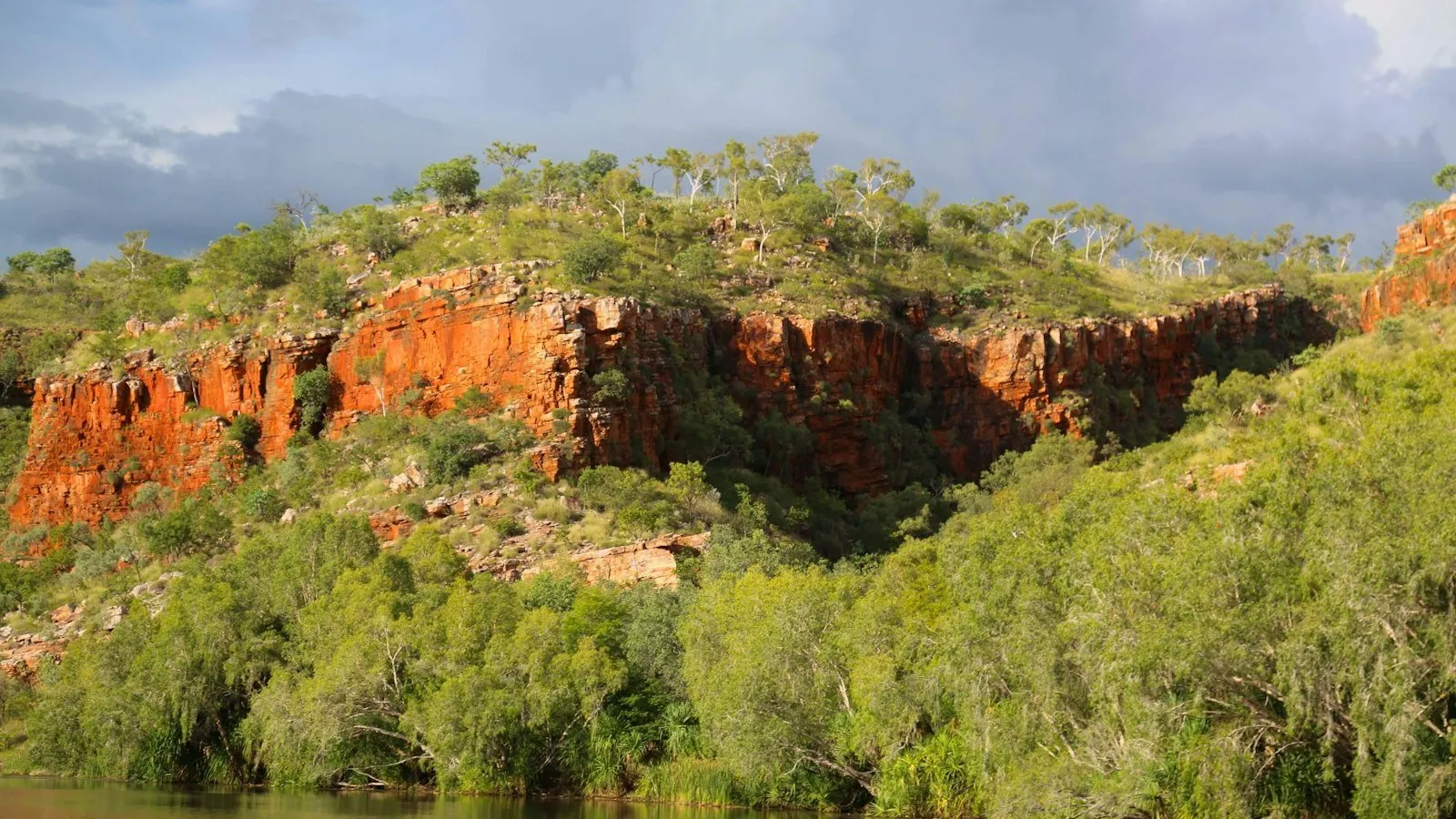
The Kimberley spent the 2025-26 wet season under three named cyclones. Fina made landfall as a Category 4 near the Berkeley River mouth on 24 November, taking out villas at the lodge of the same name. Hayley followed at the end of December, then Luana in late January closed the Gibb River Road and Cape Leveque Road for weeks.
Roads, parks, and lodges are now staging back open across April and May 2026. Some sites are running close to schedule. Others, particularly on the Mitchell Plateau and parts of the Dampier Peninsula, are still days or weeks behind. The dry season has technically arrived; what’s actually accessible is a different question.
This guide is built for that moment. Here’s how the Kimberley year actually works, what’s open right now, and where to base from across the region.
The dry season, properly understood
Most travel writing splits the Kimberley year into two seasons: the wet (November to April) and the dry (May to October). It’s a useful first approximation. It’s also too crude to plan a trip with.
The Yawuru people of Broome recognise six seasons rather than two. April aligns with Marrul, the short transition window at the end of the wet, when the rains are easing, the tides are rising, and the wind is dying down. It’s not yet the cool, dry trade-wind season Yawuru call Wirralburu (around May), and it’s nothing like the cold, clear nights of Barrgana (June to August). Each window has its own character.
That granularity matters because the Kimberley landscape changes month to month. April is humid and storm-prone but the waterfalls are still in full flow and the country is greener than most travellers ever see it. May is the operator-favourite sweet spot: skies clearing, vegetation lush, lodges open, crowds thin. June through August are the postcard months, cool and rainless, with the highest prices and the most competition for rooms. September warms up and dries out further. By October the build-up to the next wet has begun.
What’s actually open in April and May 2026
The reopening calendar this year is later and more staged than usual. A few specifics worth holding to:
El Questro opens the Homestead from 9 April, the Station campground from 13 April, and Emma Gorge from 1 May. These are firm dates from the property and the closest the region has to a calendar anchor.
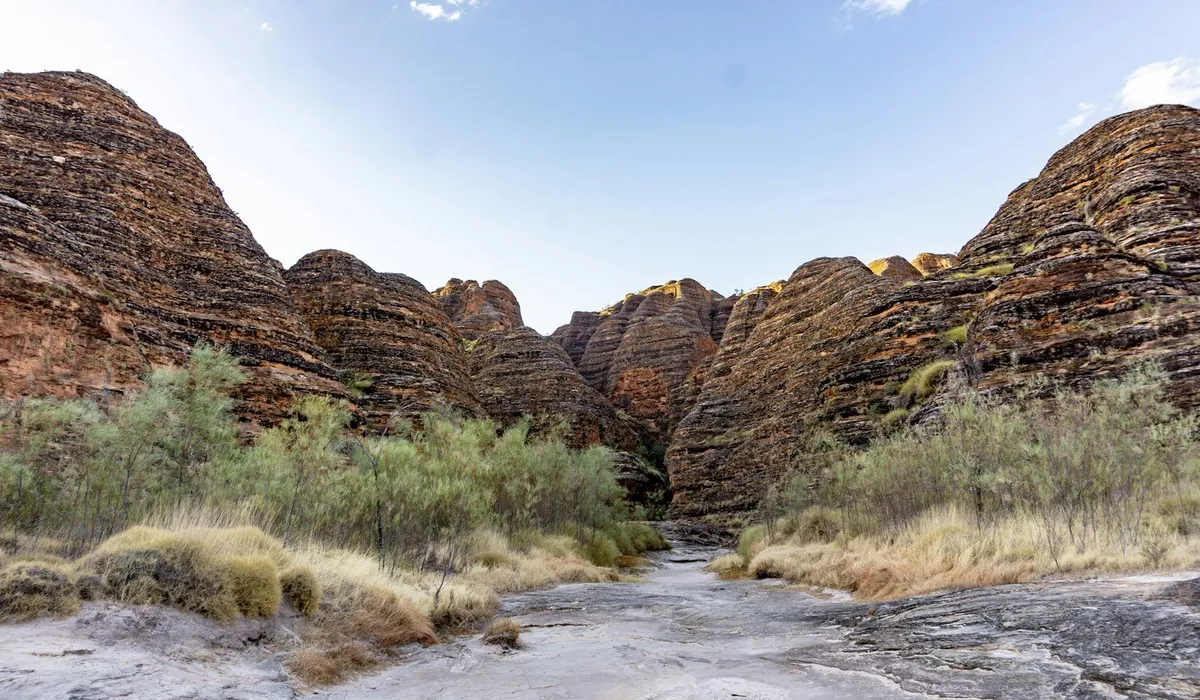
Purnululu National Park, home to the Bungle Bungle Range, typically opens on 1 April and closes around 1 December, subject to road conditions. Access is by 4WD via a 53-kilometre track off the Great Northern Highway, plus scenic flights from Kununurra and Warmun.
The Gibb River Road is reopening in stages through April and May after Cyclone Luana’s flooding. Main Roads WA publishes live status at travelmap.mainroads.wa.gov.au, and conditions can change overnight. A road technically open at the Derby end may still be impassable east of Imintji.
Kalumburu Road and the Mitchell Plateau Track are usually the last to reopen. In a normal year they follow the Gibb by several weeks. In 2026 expect late May at the earliest, with helicopter and seaplane access running ahead of the road.
Region by region
The Kimberley is roughly 423,000 square kilometres of country, larger than Germany. It splits naturally into four travel zones, each with its own access, character, and base.
Broome and the Dampier Peninsula
The southwestern entry point. Broome itself has year-round flights from Perth and dry-season direct services from the eastern capitals, which makes it the practical starting line for most trips. Cable Beach runs 22 kilometres of white sand directly into the Indian Ocean, and the sunset there is the most photographed in Western Australia for good reason.
North of Broome, the Dampier Peninsula stretches 200 kilometres to Cape Leveque. The drive used to be a four-wheel-drive proposition; the road has since been sealed, though Cyclone Hayley’s Christmas-week landfall near Lombadina hit the peninsula hard and parts are still under repair. Kooljaman at Cape Leveque, the long-running Bardi-owned eco-resort, has been closed since November 2021 and has not announced a reopening. Stay realistic about what’s accessible up there in 2026.
Broome’s events worth planning around: the Staircase to the Moon appears at Town Beach on three consecutive nights monthly from April through October, a tidal phenomenon caused by the rising full moon reflecting off the exposed mudflats. Shinju Matsuri, the city’s Festival of the Pearl, runs 21 August to 6 September 2026.
The central Kimberley and the Gibb River Road
The Gibb itself is 660 kilometres of mostly-unsealed road from Derby to the Great Northern Highway near Kununurra. It’s the spine of the region’s gorge country: Windjana, Tunnel Creek, Bell Gorge, Galvans, Manning. Traditional owners of much of this country are Bunuba and Wunaamin Miliwundi people, and the rock-art galleries along the route are some of the oldest continuously known cultural sites on earth.
This is 4WD-only territory. Two spare tyres, recovery gear, satellite communications, fuel stops planned at Imintji, Mt Barnett Roadhouse, and Drysdale Station. Allow at least five to seven days end to end if you’re making the gorges count. Most lodges along the route are working stations with guest accommodation rather than dedicated luxury properties.
The East Kimberley
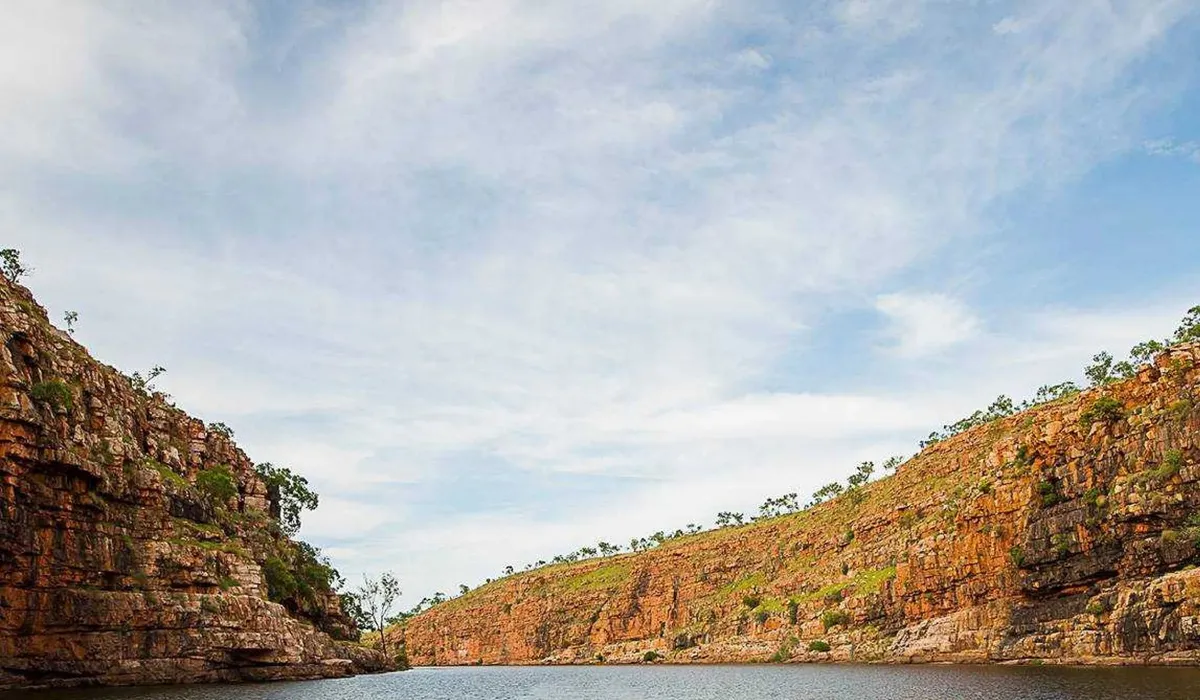
The El Questro country, and the most accessible base in the broader Kimberley region. A clifftop homestead overlooks Chamberlain Gorge across what was once a million-acre cattle station, now run as a wilderness park. Zebedee Springs, Emma Gorge, El Questro Gorge, and the Pentecost River crossing are all within a half-day drive of the Homestead. Helicopter charters reach Mitchell Falls, the Bungle Bungles, and the Cockburn Range from the property’s airstrip.
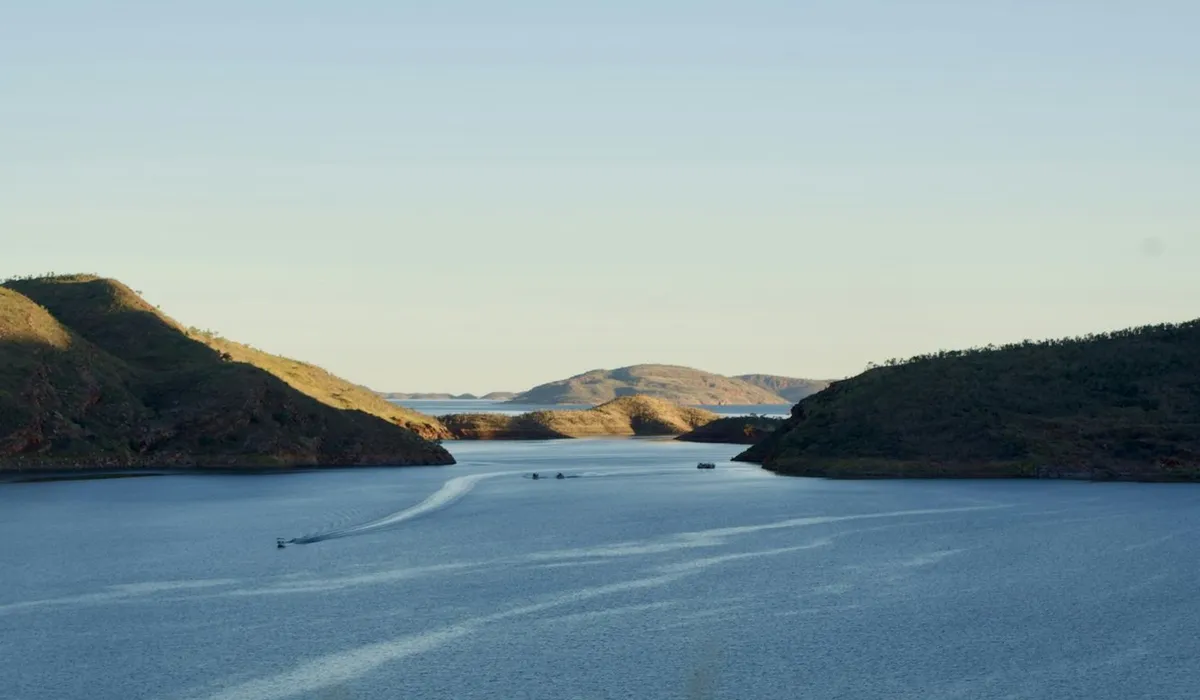
Kununurra, the regional centre, sits 110 kilometres east of El Questro and is the dry-season departure point for Lake Argyle and the Ord River. The Bungle Bungles are typically accessed from this side too, either by 4WD via Spring Creek or by scenic flight.
Mitchell Plateau and the remote coast
The hardest country to reach and the most rewarding. The Mitchell Plateau holds Mitchell Falls, the Gwion Gwion (Bradshaw) figures that count among the world’s oldest figurative rock art, and the Wandjina galleries of the Wunaamin Miliwundi Ranges. Access by road requires the Kalumburu Road and the Mitchell Plateau Track, both late to reopen each year.
The remote north coast, including Berkeley River, King George Falls, and Faraway Bay, is effectively only reachable by air or sea. Charter flights run from Darwin and Kununurra; cruise vessels run the coast between the two cities through the dry. This is where the dry season’s planning calculus shifts entirely from “drive” to “fly or sail.”
Where to stay
The luxury accommodation map is short. Four properties cover most of the editorial ground, with a handful of working stations and expedition vessels filling the gaps.
Berkeley River Lodge
The cyclone story for 2026. Eighteen private villas on a dune above the Timor Sea, accessible only by chartered aircraft from Darwin, run as a fixed five-night all-inclusive experience for a maximum of 36 guests. Cyclone Fina made a direct hit on 24 November 2025: two villas damaged, three destroyed.
The lodge is operating for the 2026 season with what it describes as a significant reimagining, including refurbished interiors with bespoke teak, rattan, leather and brass finishes. We covered the rebuild in our wider look at the 2026 hotel openings reshaping Australian luxury. Confirm capacity directly when booking. The reopening is genuine; the recovery is ongoing.
What you get for the rate, when everything is running: river cruises through the gorge system, beach drives at sundown, fishing for barramundi, helicopter transfers to King George Falls, and dinner at Dunes overlooking the sea. The villas have open-air bathtubs and the property itself sits on Balanggarra Country, with cultural acknowledgement woven through the experience rather than appended to it.
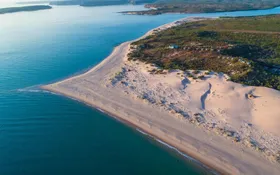
Berkeley River Lodge
The Kimberley, WABarefoot luxury at the edge of the known world
View hotel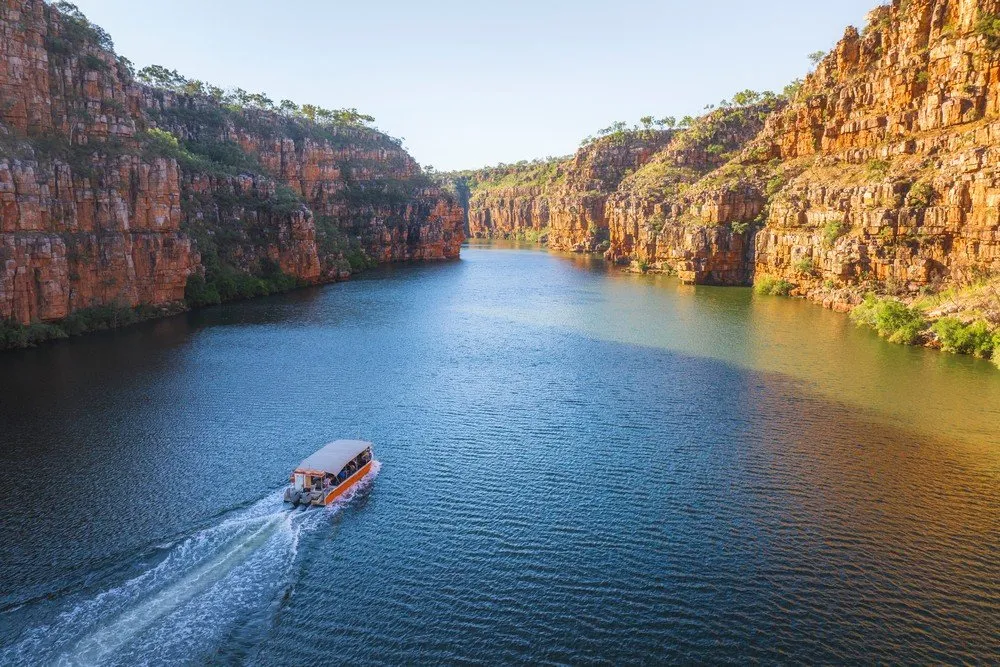
El Questro Homestead
Nine suites on a clifftop above Chamberlain Gorge. The Homestead is the all-inclusive luxury tier of the broader El Questro Wilderness Park, which also includes the Station campground and the Emma Gorge tented cabins. Reopening sequence for 2026: Homestead 9 April, Station 13 April, Emma Gorge 1 May.
The kitchen runs a daily-changing degustation menu with a thoughtful Australian cellar, and meals are flexible: dining room, deck, or out on the gorge in a Chamberlain Suite or Cliffside Retreat. Guests wake to coffee on the cliff edge, pick from a menu of guided experiences across the wilderness park (Zebedee Springs, El Questro Gorge, Saddleback Ridge), and end most days back on the open verandah with the sun dropping behind the Cockburn Range.
The Homestead is an honest answer to “where would you base for a luxury East Kimberley week.” Eight or nine nights is the comfortable stay length. Helicopter charters out to Mitchell Falls and the Bungle Bungles run from the airstrip on demand.
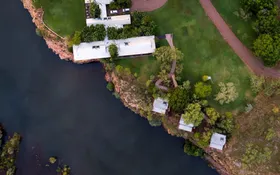
El Questro Homestead
The Kimberley, WANine suites on the edge of the Kimberley's last great wilderness
View hotelCable Beach Club Resort & Spa
Broome’s anchor property. A four-star resort with multiple room categories, six dining venues, the Chahoya Spa, and direct access to the Cable Beach sand. Stage 2 of the Cable Beach Foreshore Redevelopment is underway through 2026, which is changing beach access and the resort’s approach during the works; worth asking about when booking.
The Club is the practical centre of a Broome stay rather than a destination in itself. It’s where most travellers spend the first or last night of a longer Kimberley itinerary, paired with a Horizontal Falls day flight or a sunset camel ride along the beach. The McAlpine and Leon Pericles villas are the upgrade picks if rate isn’t the constraint.
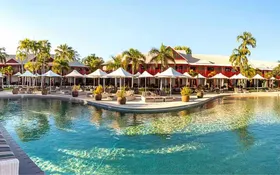
Cable Beach Club Resort & Spa
Broome, WAWhere the Kimberley meets the Indian Ocean
View hotelThe Pearle of Cable Beach
The newer Broome alternative. Adults-leaning, quieter, positioned a short walk from Cable Beach itself rather than directly on it. The property suits travellers who want Broome as a base without the resort scale of the Club.
The Pearle works best for couples and small groups treating Broome as the city stop on a longer trip. Combine a couple of nights here with a few nights in the East Kimberley or on a coastal cruise and the rhythm starts to make sense.
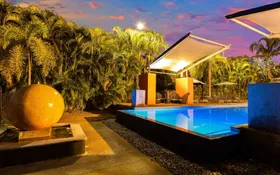
The Pearle of Cable Beach
Broome, WAPrivate villa living on Broome's most famous shoreline
View hotelBeyond the listed properties
A few more names worth knowing. Mitchell Falls Wilderness Lodge (operated by APT) reopened in 2024 after a major refurbishment and is now the natural base for Mitchell Falls and the Gwion Gwion rock-art sites. Twenty-four tented suites, three-course dinner and breakfast included, dry-season-only operation from May to September.
Faraway Bay sits high above the Timor Sea coast east of the King George River and runs cabin-style accommodation through the dry season. Balanggarra Home Valley, the former Home Valley Station, is now the largest Indigenous-managed tourism resort in Western Australia under Balanggarra Traditional Custodians, with around 65 percent local Indigenous staff and a strong cultural programme.
Bullo River Station, the East Kimberley working cattle station that has run guest accommodation for years, is closed to guests through the entire 2026 season for a major redevelopment with MJA Studio and interiors by Sibella Court. Reopening is targeted for 2027 with a new guest wing and a two-bedroom family suite. Cattle and conservation operations continue in the meantime.
For the coast itself, True North Adventure Cruises runs the most distinctive small-ship product, with onboard EC130 helicopter and itineraries from ten to thirteen nights. The 2026 cruise season is also notable as the second-last for Seabourn Pursuit: the ship redeploys to the Arctic from 2028, ending Seabourn’s Kimberley programme after 2027. Coral Expeditions, Ponant, and Silversea continue to operate the route.
The dry season isn’t a single window. It’s a moving timeline that opens unevenly each year, and 2026 is the year to plan around the timeline rather than the calendar.
Planning the trip
A workable Kimberley itinerary needs a base, a movement plan, and an honest week count. Eight nights is the floor for a serious trip; ten to fourteen is comfortable; anything under five becomes a tasting plate.
The most common shape is fly-in to Broome, drive or fly across the central Kimberley to Kununurra, fly out to Perth or Darwin. Adding the remote coast (Berkeley River or a cruise) usually means a Darwin departure rather than Broome. Self-drive on the Gibb takes seven days minimum and rewards the time. Full fly-in itineraries condense the country but skip the ground experience entirely.
Cruise options run on standard windows: most operators sell ten to thirteen nights between Broome and Darwin or vice versa, with the season opening in late April or May and closing in early October. The 2026 cruise market is unusually competitive after a soft 2025, so shoulder weeks (late April, late September, early October) are the value play.
Broome events worth booking around: the Staircase to the Moon dates run April 3-5, May 3-5, June 1-3, July 1-3 and 30-31, August 1 and 29-31, September 27-29, and October 27-29. Shinju Matsuri runs 21 August to 6 September. The pearling festival is genuinely good and adds a cultural layer to a Broome stop.
Common Questions
When does the Kimberley dry season actually start?
Officially May, but April is the practical opening month. Most lodges open between 9 April and 1 May. Roads reopen in stages through both months as Main Roads WA assesses post-wet damage. Treat 'dry season' as a window that begins unevenly rather than a fixed calendar date.
Is the Gibb River Road open in April or May 2026?
It's reopening in stages through April and May after Cyclone Luana's January flooding. The Derby end opens first, with the eastern stretches following over weeks. Always confirm current conditions with Main Roads WA before committing to a self-drive route.
What's the best month to visit the Kimberley?
May for the sweet spot of full waterfalls, lush vegetation, comfortable temperatures, and pre-peak crowds. June through August for guaranteed clear skies and cool nights, at peak prices. April for fewer crowds and softer rates if you accept some weather risk.
Do I need a 4WD?
For the Gibb River Road, the Mitchell Plateau, and Purnululu National Park, yes. For Broome, Cable Beach, and direct fly-in trips to El Questro or Berkeley River, no. Many travellers split the difference: 4WD for the central section and either flights or a transfer for the remote ends.
How do you reach Berkeley River Lodge or Mitchell Falls?
Berkeley River Lodge is reached by chartered aircraft from Darwin only; the lodge organises the transfer as part of the all-inclusive five-night package. Mitchell Falls is accessible by 4WD via the Mitchell Plateau Track in the dry season, by helicopter from Mitchell Falls Wilderness Lodge, or as a day trip from Kununurra or El Questro.
Can you visit the Bungle Bungles in April?
Purnululu National Park typically opens on 1 April and closes around 1 December. Access is by 4WD on a 53-kilometre track off the Great Northern Highway, or by scenic flight from Kununurra or Warmun. Confirm road status with the park before travelling.
The case for going early
The argument for an April or May trip in a normal year is the price point and the lower visitor numbers. The argument in 2026 is sharper than that. The wet has been heavy, the country is greener and wetter than most travellers ever see it, and the lodges that did reopen on time are running at considered capacity rather than peak volume.
The Kimberley rewards travellers who engage with it on its own terms. A timeline that resets each year with the rains, a calendar of six seasons rather than two, and a landscape that changes its character every six weeks. April 2026 is a particular moment in that timeline. Worth getting there before peak season collapses the difference. For more on the wider region, see all our Western Australia hotels or browse our other travel guides.