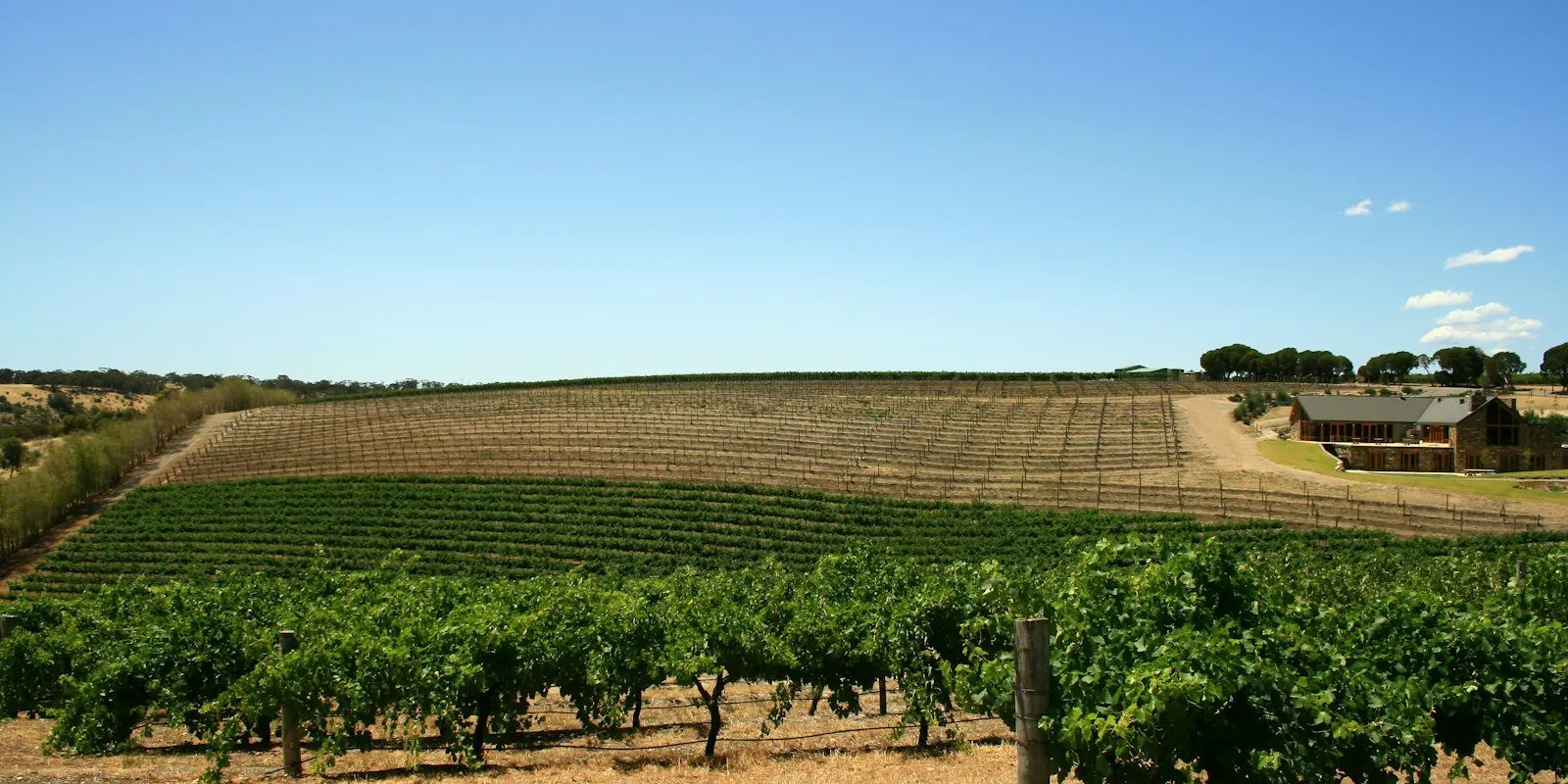
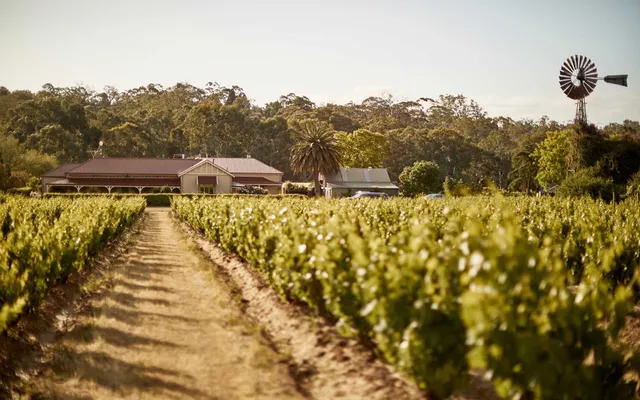
The Barossa Valley is not merely a wine region. It is a living archive. Settled by Silesian Lutheran immigrants in the 1840s, the valley retains a cultural continuity rare in Australia: sixth-generation families still tend vines planted by their ancestors, stone churches dot the ridgelines, and the Germanic influence survives in the mettwurst, streuselkuchen, and wood-fired bakeries that line the main streets of Tanunda, Angaston, and Nuriootpa. This is a place where provenance is not a marketing concept but a daily reality.
What sets the Barossa apart from every other Australian wine region is its old vines. The valley is home to the world’s oldest continuously producing shiraz, grenache, mourvedre, and semillon plantings, some dating to the 1840s, because it was never touched by the phylloxera blight that devastated most of the world’s vineyards. These ancient vines produce wines of extraordinary concentration and complexity, and tasting them at source, often poured by the winemaker, is an experience that simply cannot be replicated elsewhere.
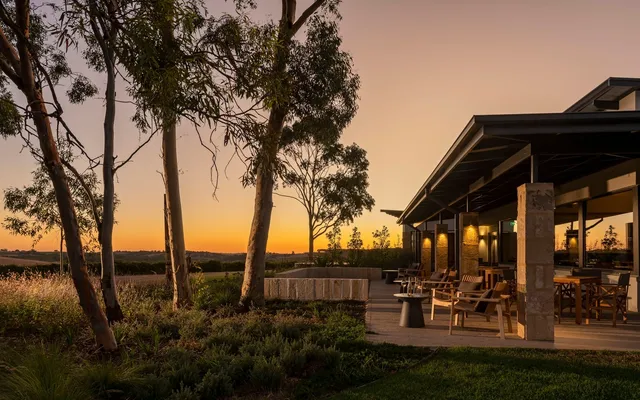
Beyond the cellar door, the Barossa has matured into a complete gastronomic destination. The Seppeltsfield Road corridor between Marananga and Seppeltsfield offers an unbroken sequence of wineries, artisan producers, and acclaimed restaurants within cycling distance of one another. Farmers’ markets overflow with local cheese, charcuterie, and olive oil, while the region’s annual Vintage Festival celebrates the harvest with events that range from barrel tastings to long-table dinners set among the vines.