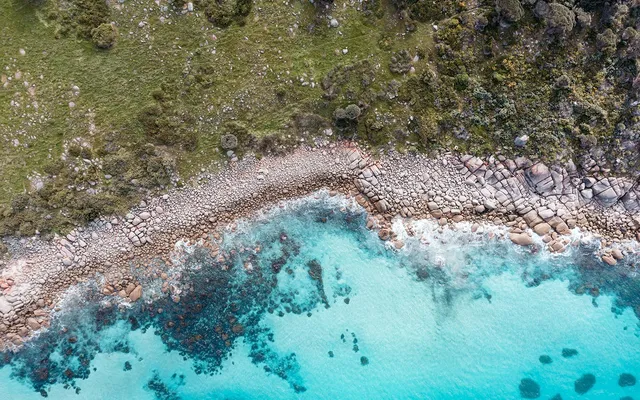
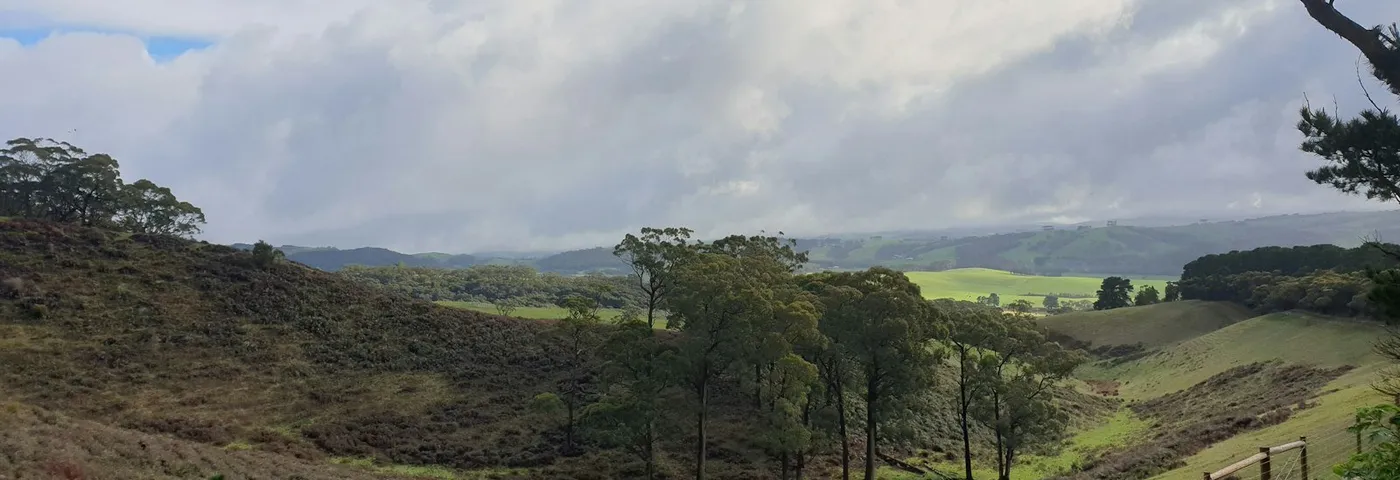
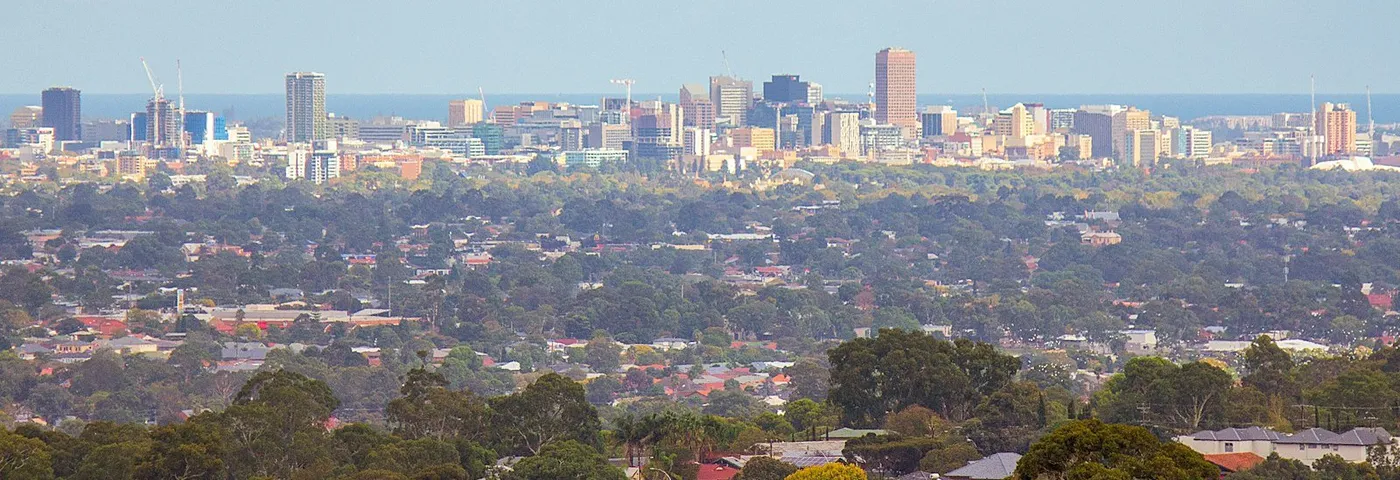
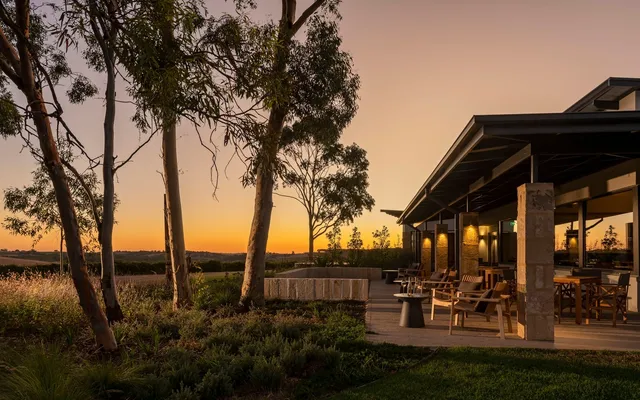
South Australia is Australia’s food and wine capital, and the geography explains why. Within ninety minutes of Adelaide you move from a sophisticated city dining scene through the cool, forested slopes of the Adelaide Hills and down into the warm, ancient soils of the Barossa Valley. Continue south and you reach the wild coastline of Kangaroo Island. This compression of landscape, climate, and terroir into such a tight radius gives the state a culinary density that no other part of the country can match. It is a place built for slow, deliberate travel.
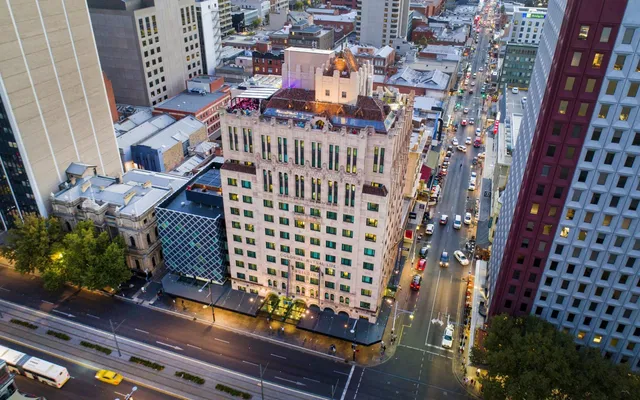
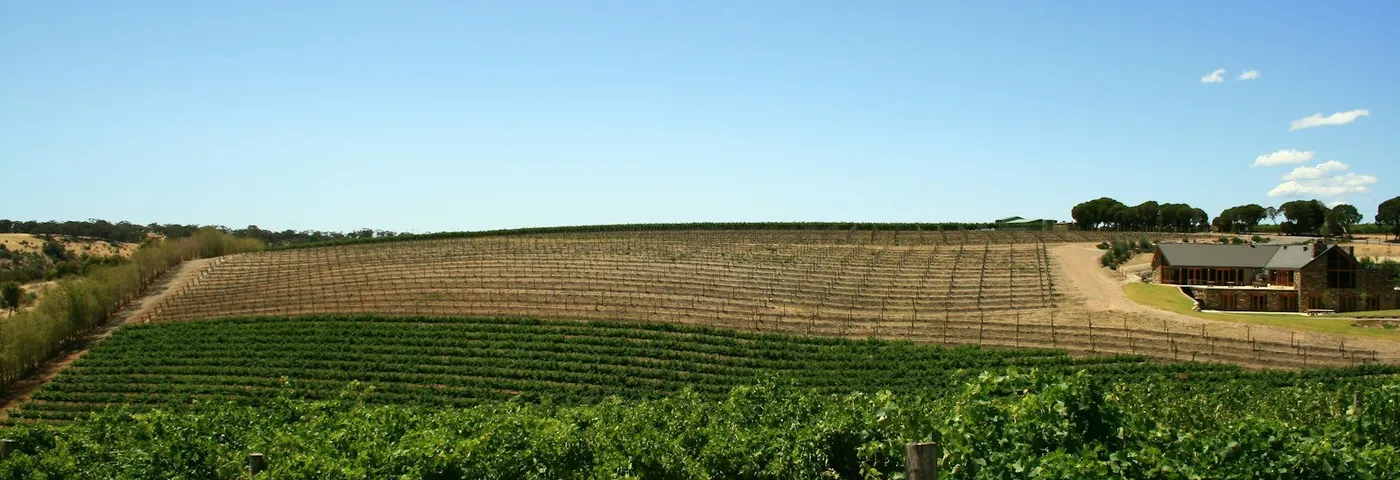
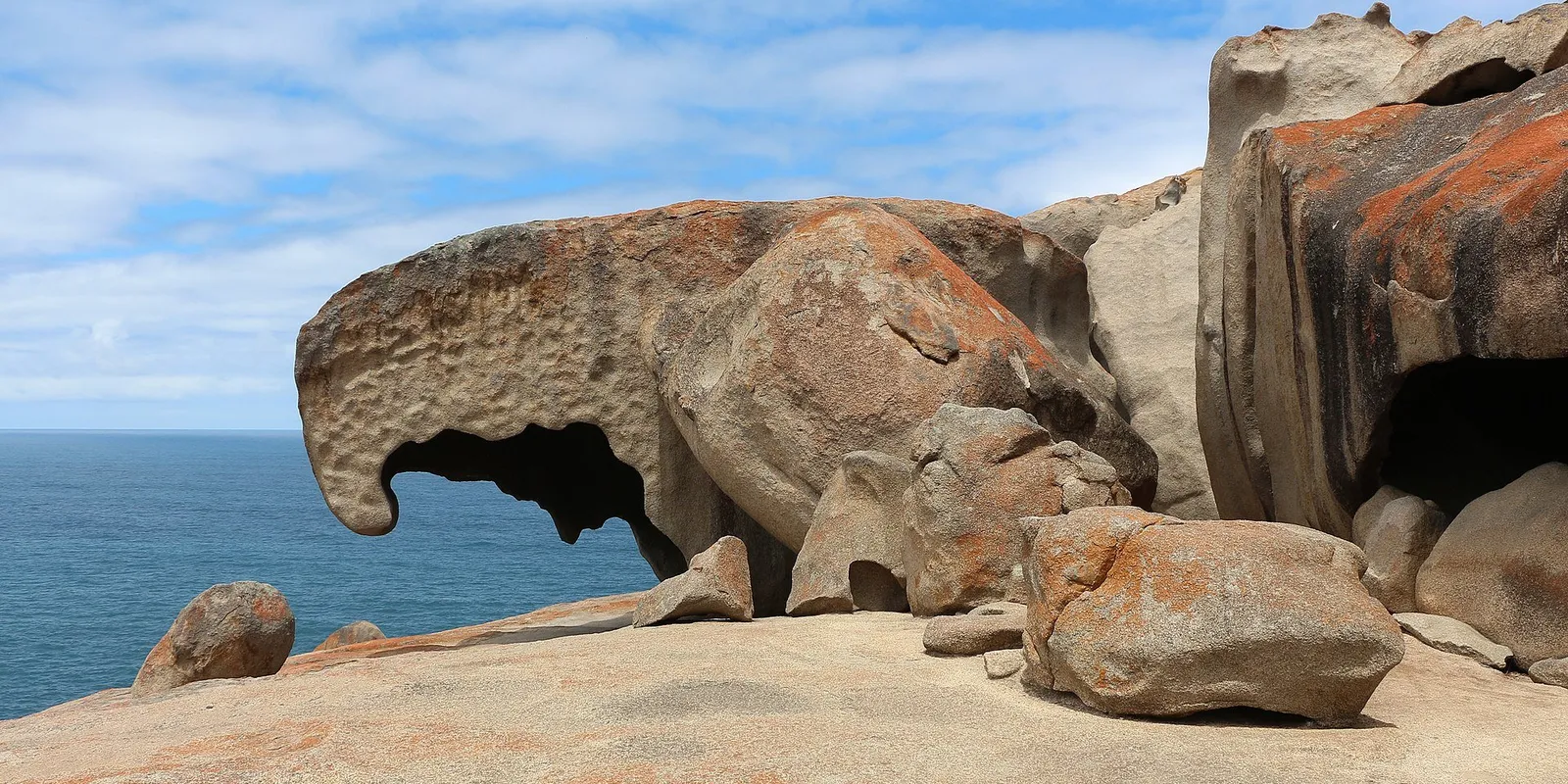
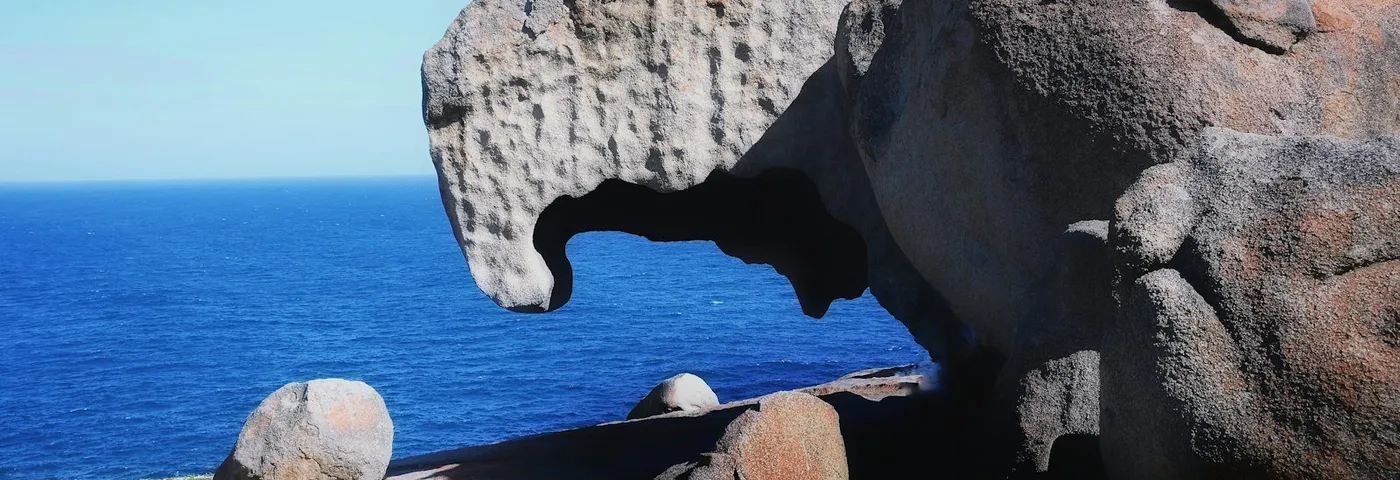
The Barossa’s shiraz vines, some more than 170 years old, produce wines of a concentration and depth that reflect their pre-phylloxera heritage. The Adelaide Hills, cooler and greener, are the domain of chardonnay, sauvignon blanc, and the small-batch producers who have turned towns like Hahndorf and Stirling into serious food destinations. Kangaroo Island operates on a different register entirely: Ligurian honey, marron, free-range eggs, and a landscape where sea lions haul out on empty beaches and koalas sit unbothered in roadside eucalypts. Adelaide itself has quietly become one of Australia’s most compelling dining cities, with Gouger Street, Leigh Street, and the East End offering a restaurant culture that rewards curiosity over ceremony.
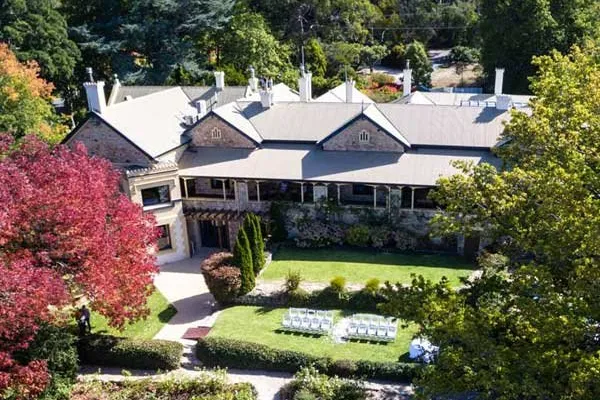
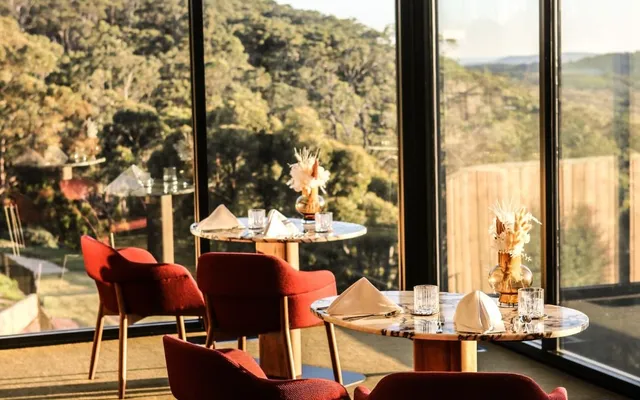
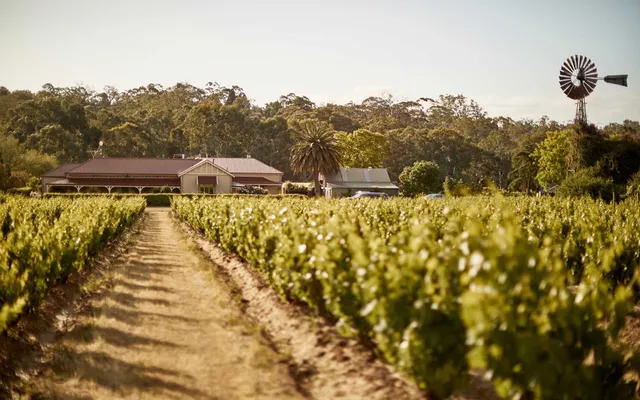
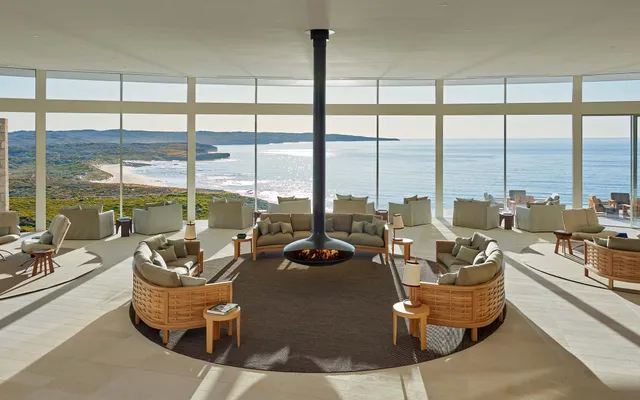
The best properties in South Australia tend to be intimate rather than grand, often with fewer than twenty rooms, and almost always connected to the food and wine culture that defines the state. Expect kitchen gardens that supply the evening menu, cellar doors within walking distance, and a hospitality style that feels personal rather than corporate. These are hotels where the chef knows the farmer, the sommelier pours wines from the next ridge, and the landscape is treated not as backdrop but as the entire point of staying.
 2
2