Hobart has undergone one of the most remarkable cultural transformations of any Australian city. What was once a quiet, somewhat overlooked state capital at the bottom of the map has become a destination that punches absurdly above its weight in food, wine, art, and sheer creative ambition. The catalyst was MONA, David Walsh’s subterranean museum of old and new art carved into a sandstone cliff on the banks of the Derwent River, but the momentum has spread far beyond a single institution.
The city’s food scene is built on proximity to source. The Tasman Peninsula supplies rock lobster and abalone; the Huon Valley delivers apples, cherries, and Atlantic salmon; the Coal River Valley produces cool-climate pinot noir and chardonnay barely thirty minutes from the CBD. Salamanca Place, with its row of Georgian sandstone warehouses, hosts Saturday morning markets that have become a ritual for locals and visitors alike. Beyond the market, the surrounding streets harbour a growing concentration of serious restaurants, from intimate omakase counters to fire-driven kitchens, that would be noteworthy in any capital.
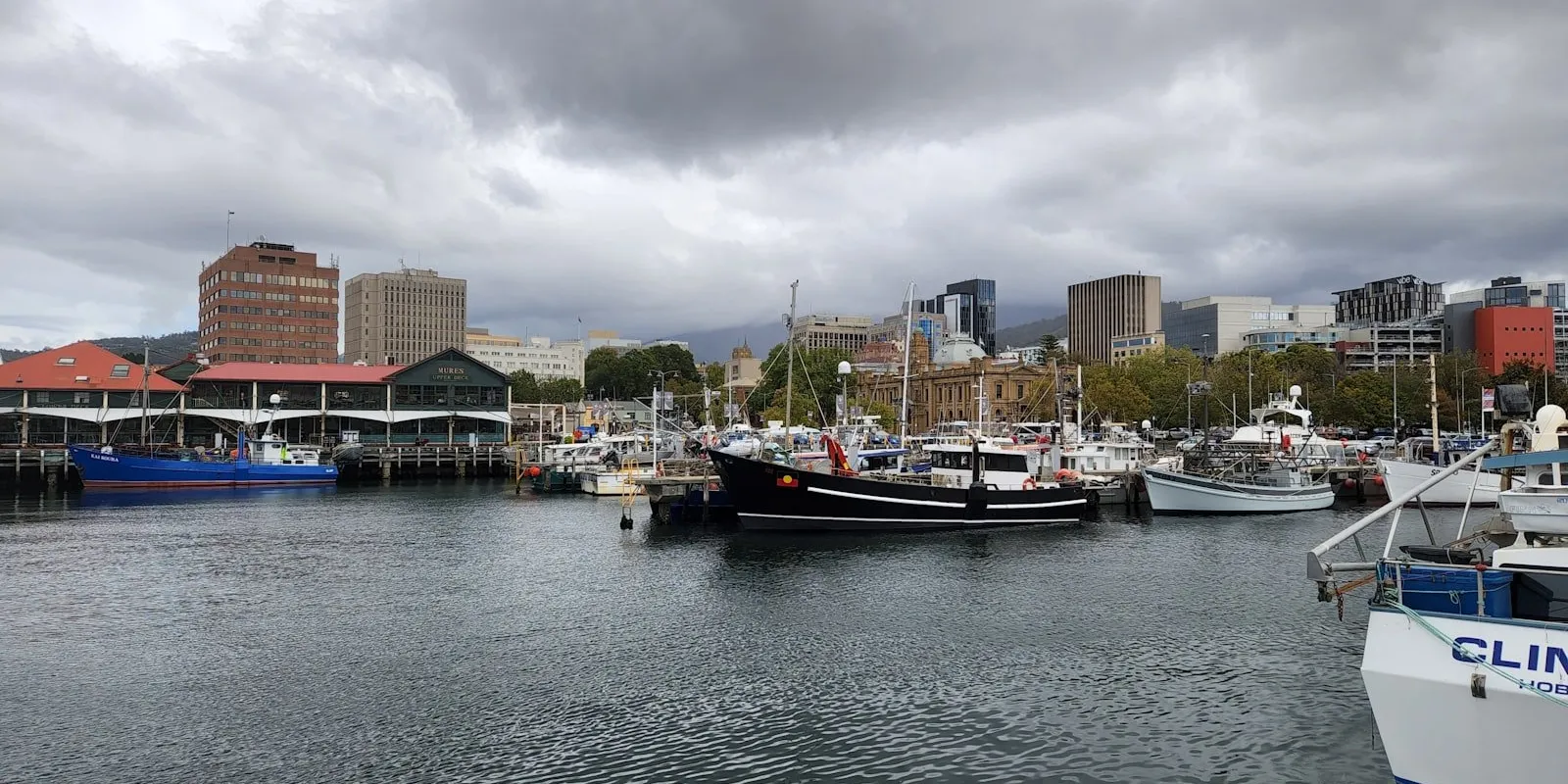
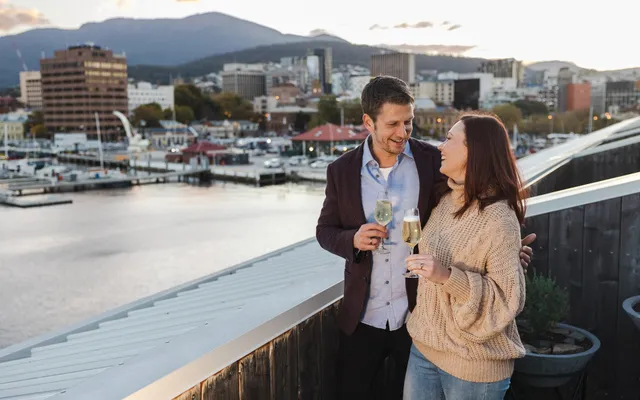
Hobart’s physical setting reinforces its appeal. Mount Wellington rises to 1,271 metres directly behind the city, offering alpine walks and snowfall in winter, while the harbour and the Derwent estuary give the waterfront a working, maritime character that distinguishes it from more manicured Australian waterfronts. The city’s colonial heritage (it is Australia’s second-oldest capital, founded in 1804) is legible in the sandstone laneways of Battery Point and the convict-built stores along the docks, lending a textural depth that newer cities simply cannot replicate.