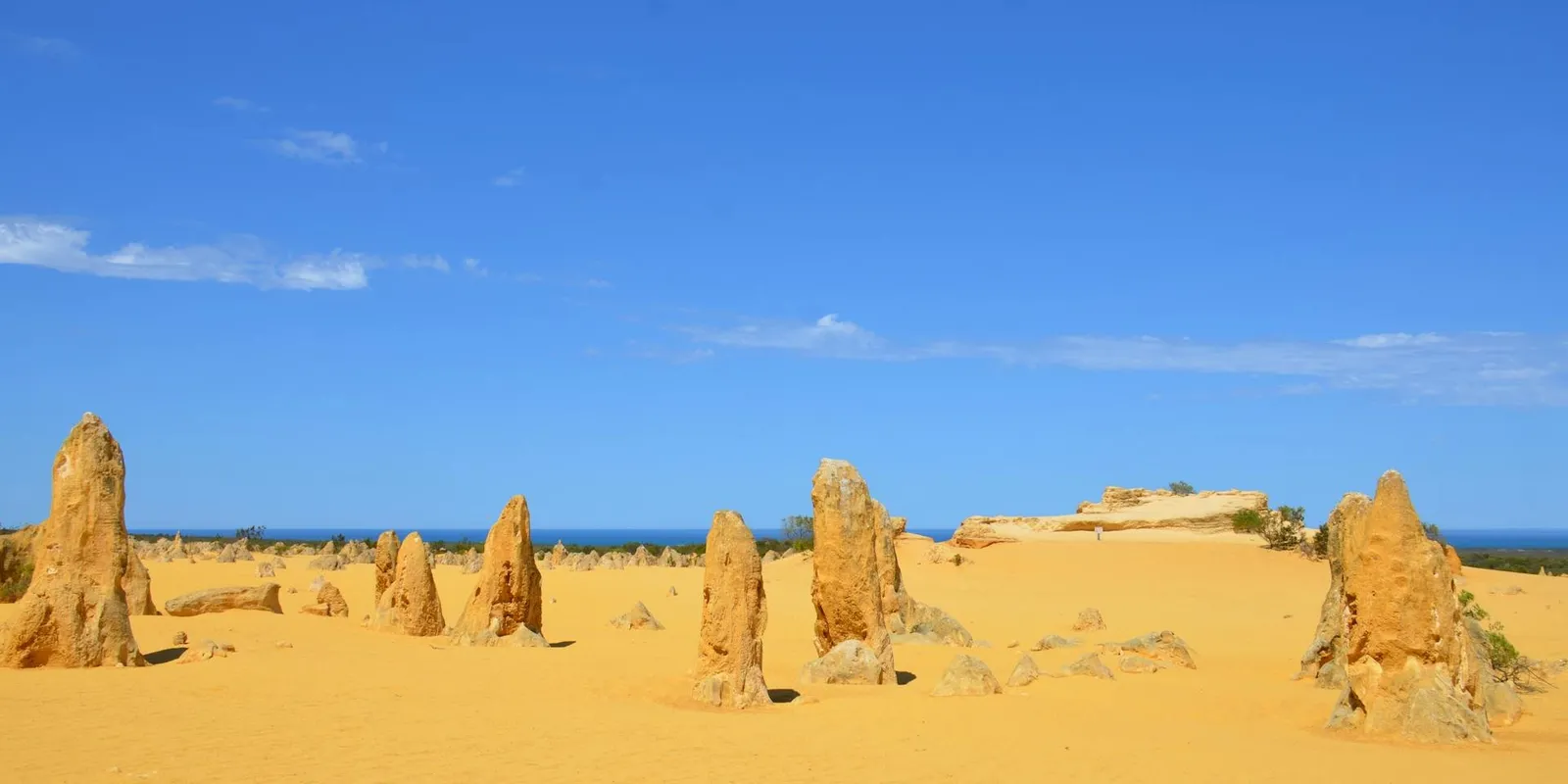
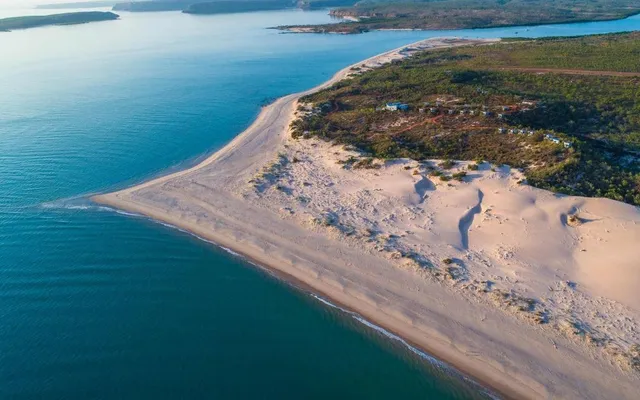
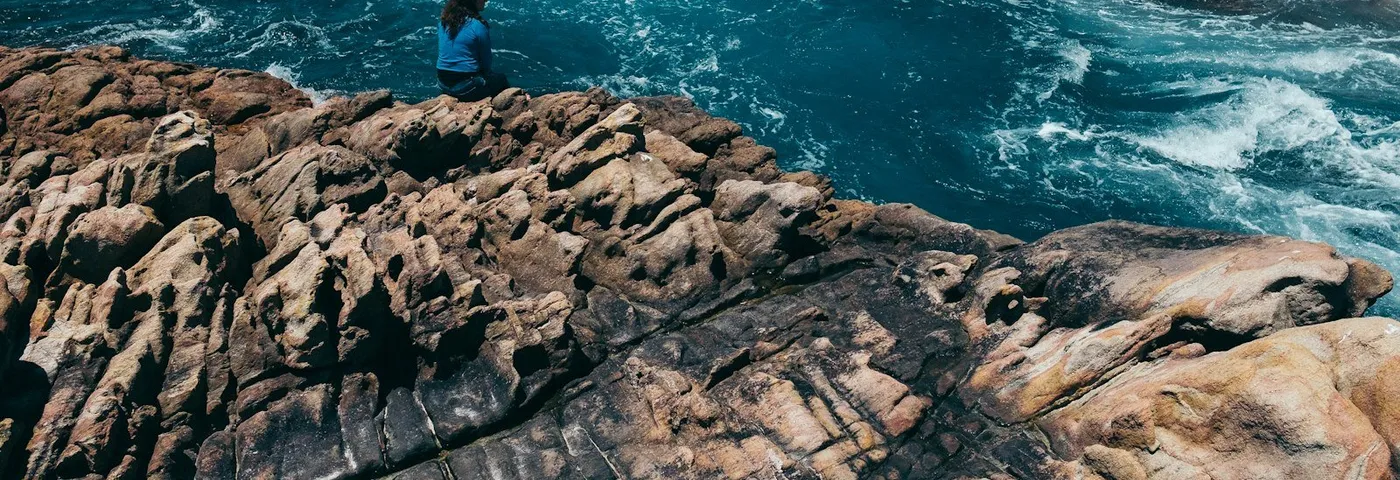
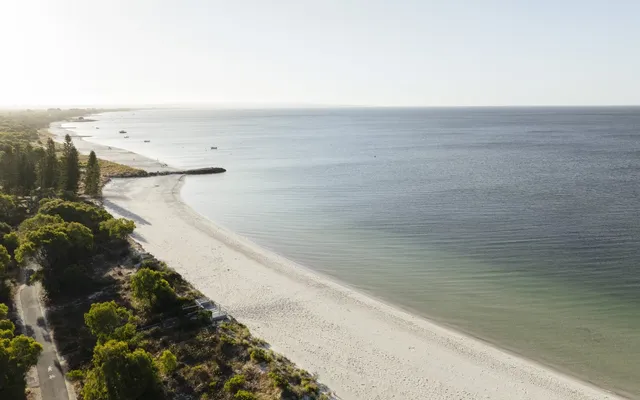
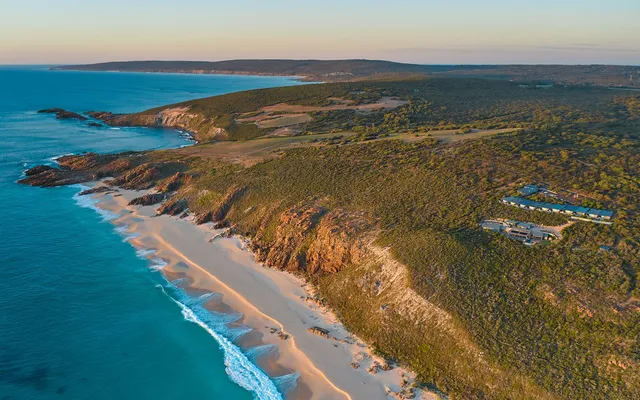
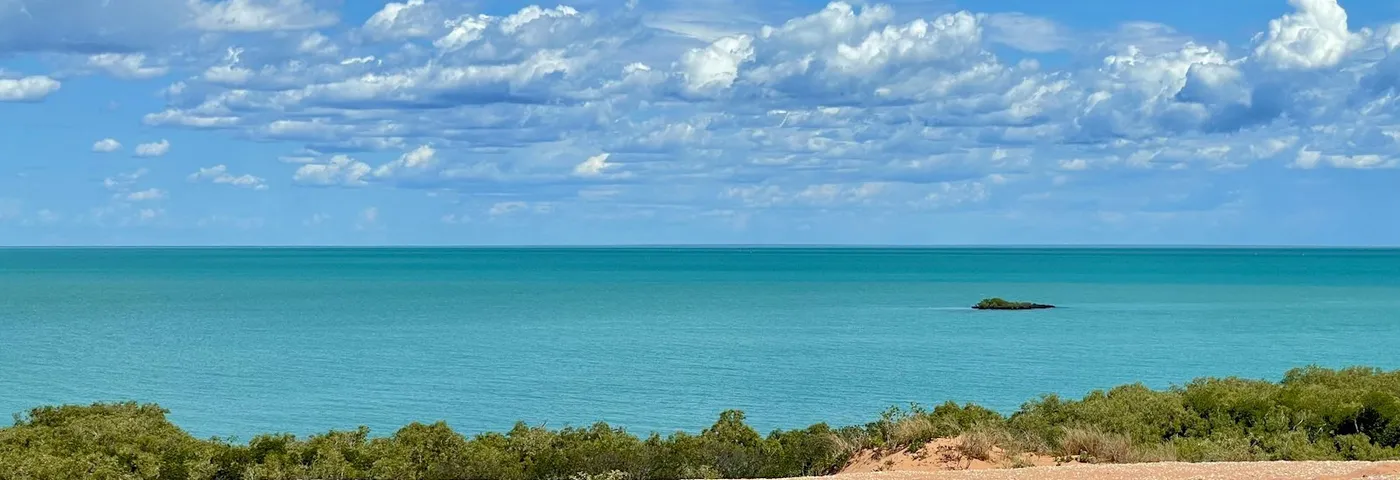
Western Australia occupies a third of the continent yet holds barely a tenth of its population, and that imbalance is precisely the point. The Indian Ocean coastline runs for over twelve thousand kilometres, most of it empty. Inland, the distances are vast enough to alter your sense of time: the Kimberley alone is larger than Germany, with fewer sealed roads than a mid-sized suburb. For travellers willing to make the journey, the reward is landscape that feels genuinely untouched, places where the red earth meets turquoise water with nobody else in sight.
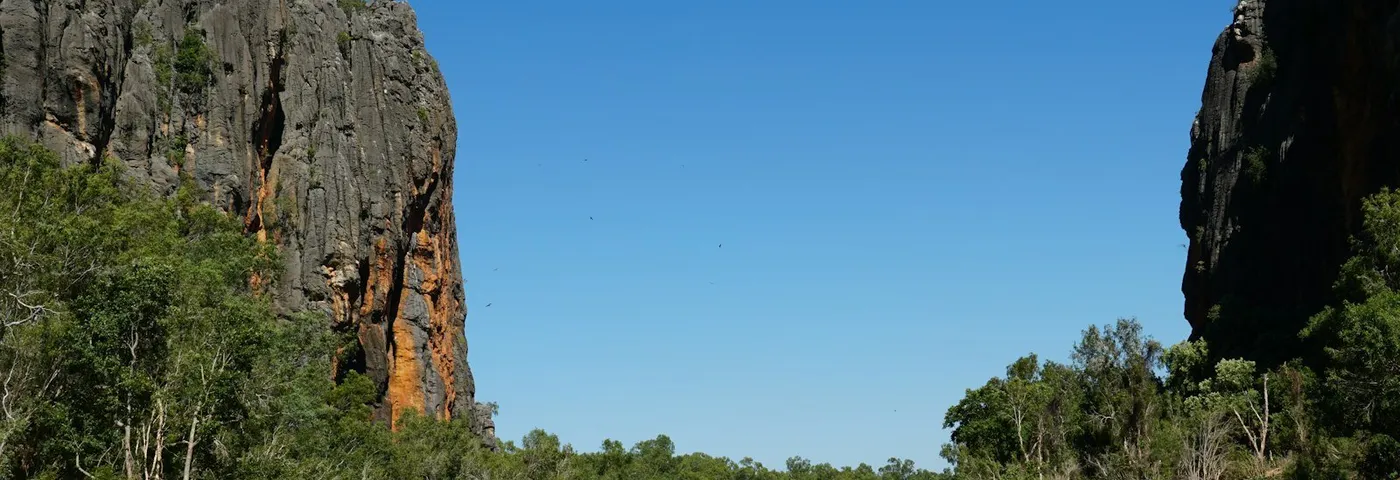
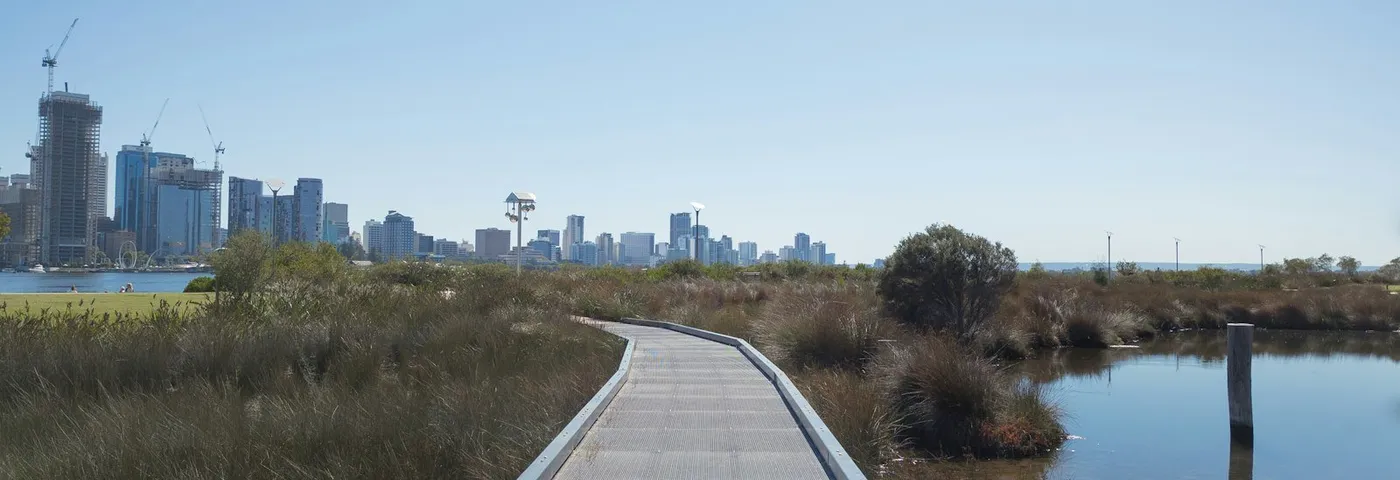
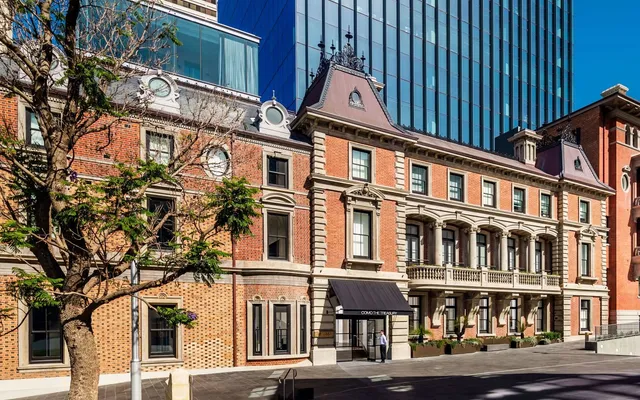
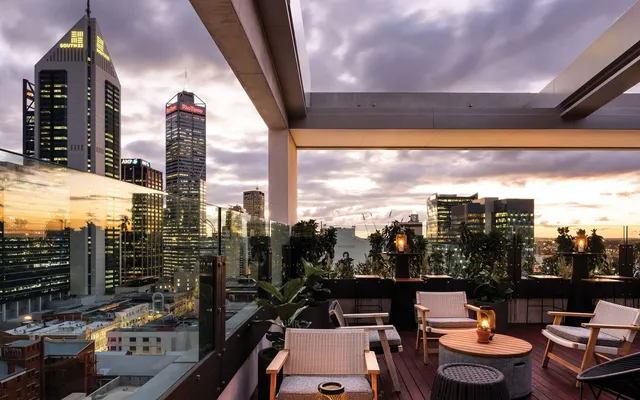
The range of what Western Australia offers is quietly staggering. Perth has matured into a city of real sophistication, its Swan River frontage lined with considered dining and architecture that takes the light seriously. Three hours south, the Margaret River region delivers some of Australia’s finest cabernet and chardonnay alongside restaurants that treat local marron, truffle, and wagyu with the attention they deserve. Further north, Broome still carries traces of its pearling history in the Chinatown shopfronts and the crimson pindan cliffs that frame Cable Beach at sunset. And beyond Broome, the Kimberley opens up: ancient sandstone gorges, tidal waterfalls, and Wandjina rock art tens of thousands of years old.
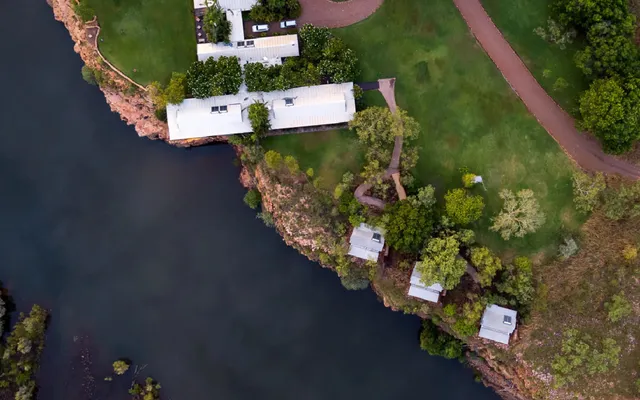
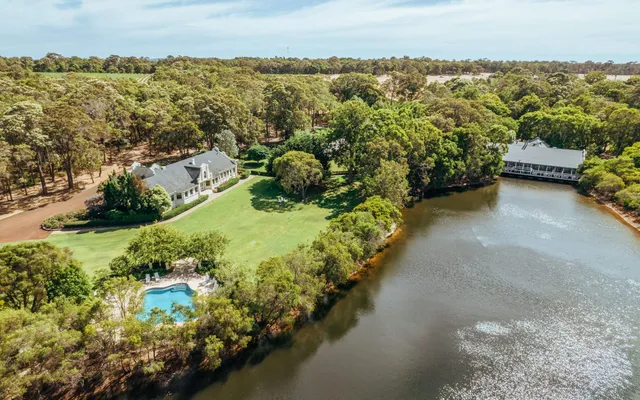
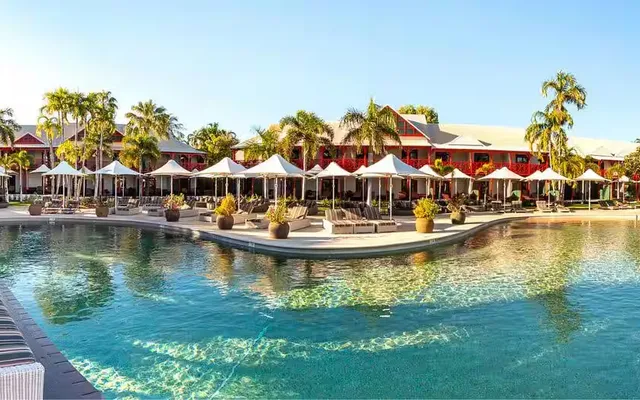
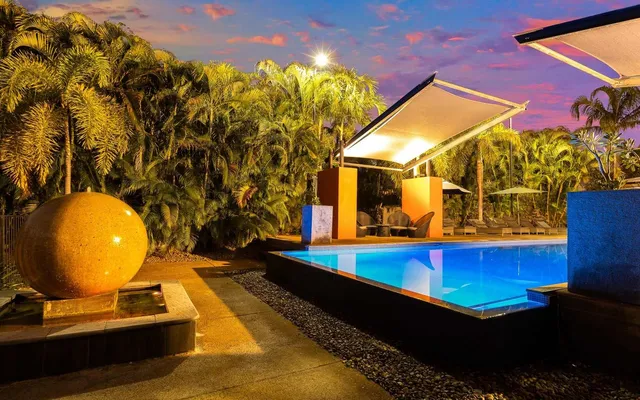
The best properties in Western Australia have learned to make remoteness feel like privilege rather than hardship. In the Kimberley, this means seaplanes and helicopters treated as routine transport, chefs who fly in provisions and then forage the rest from the surrounding bush, and lodges built to frame the landscape rather than compete with it. Even in the more accessible south, the leading hotels share a certain frontier confidence: they know the setting does the heavy lifting, so the service is warm rather than fussy, the design restrained rather than showy. It is a style of luxury shaped by distance and earned through logistics that most guests never see.