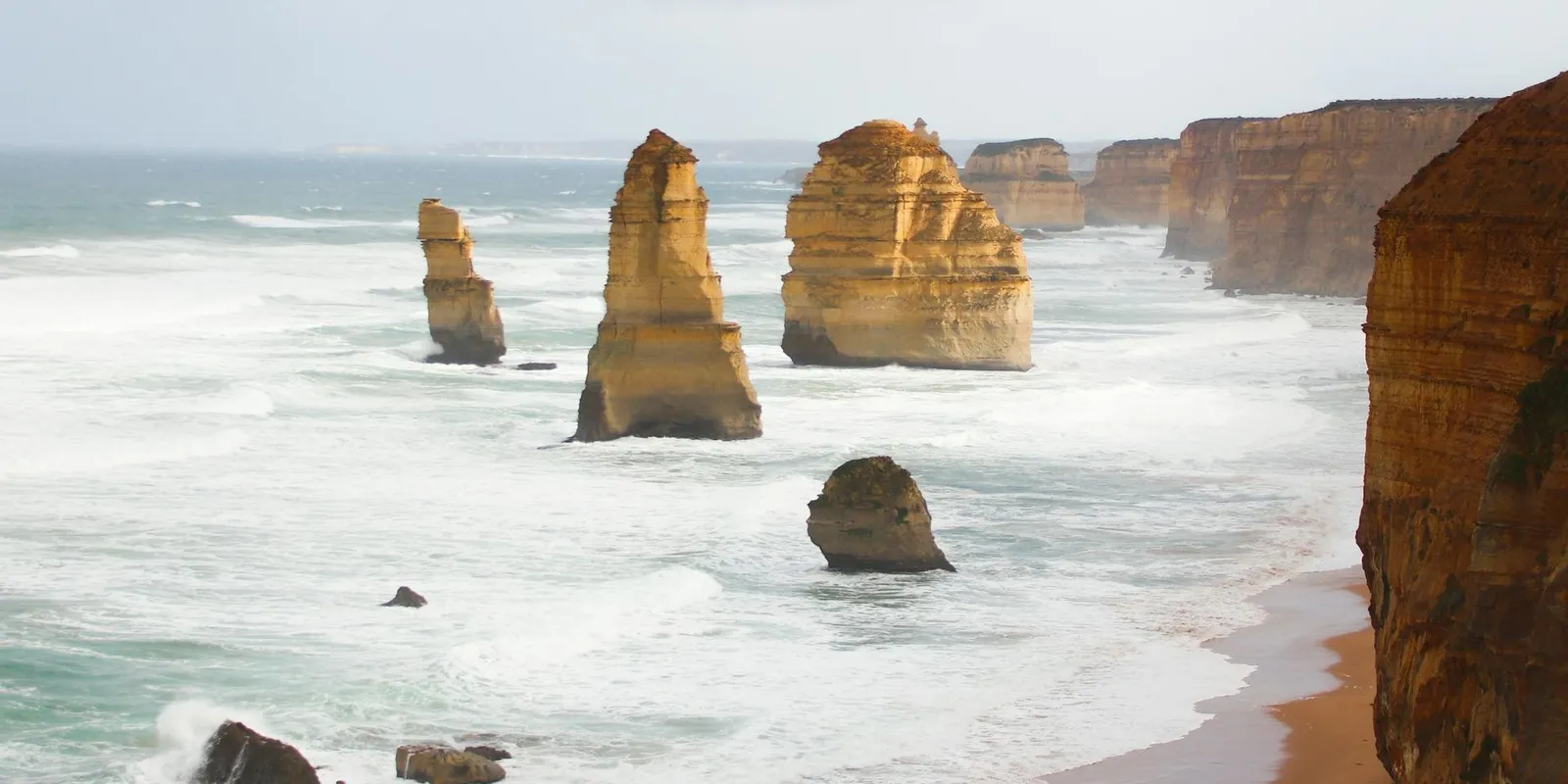
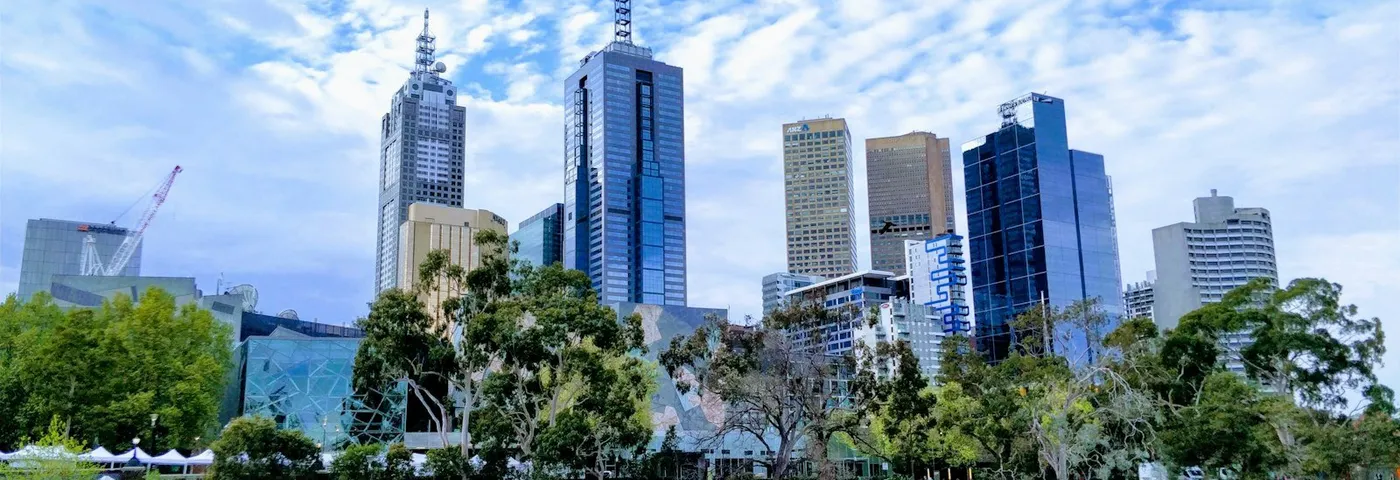
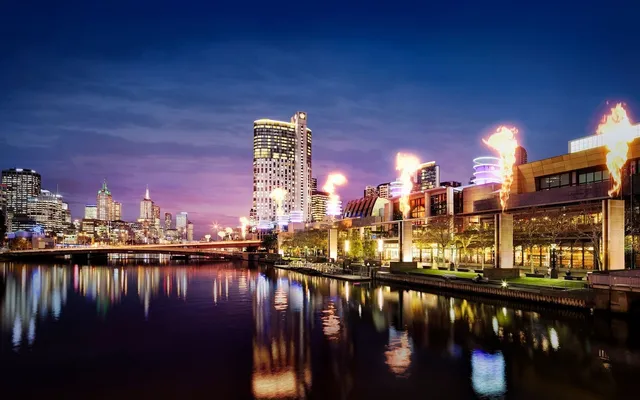
No Australian state packs so much luxury into such a compact geography as Victoria. Melbourne sits at the centre of a wheel whose spokes reach the Yarra Valley in under an hour, the Mornington Peninsula in ninety minutes, and the Twelve Apostles in half a day. This proximity breeds a particular kind of traveller: one who expects the food and wine rigour of a capital city to follow them into the countryside. It does. Victoria’s culinary infrastructure, from the Queen Victoria Market to the single-vineyard pinot producers of the Yarra and Mornington, supplies a hospitality scene that treats provenance as a baseline, not a selling point.
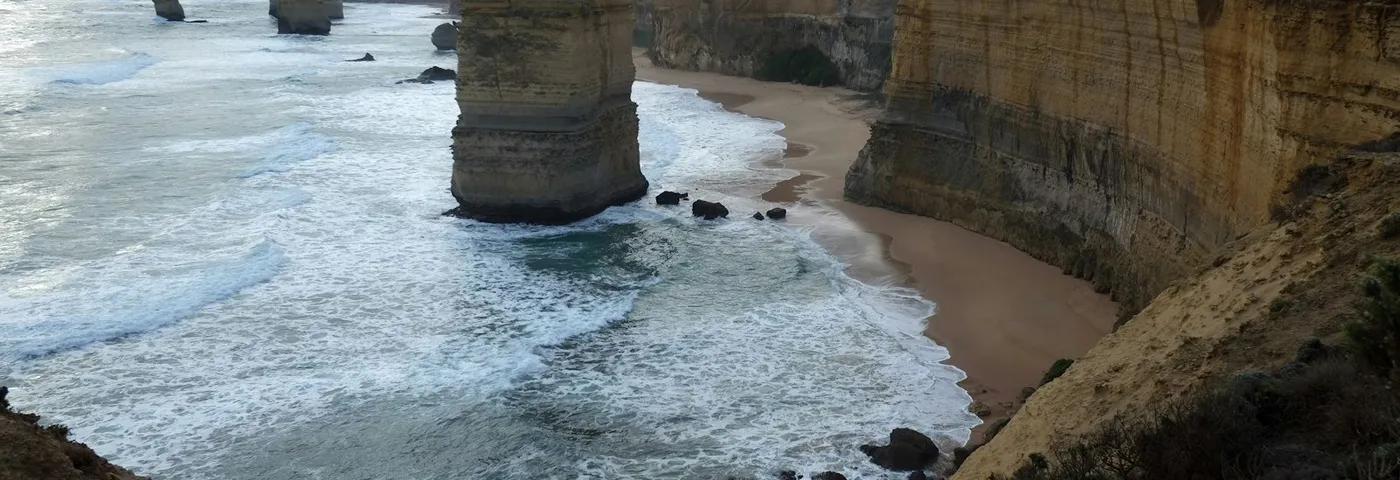
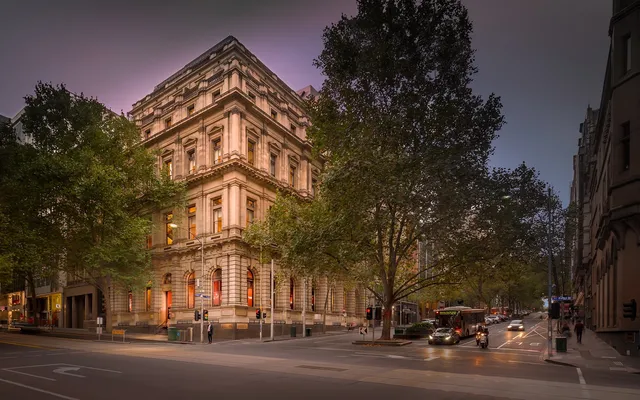
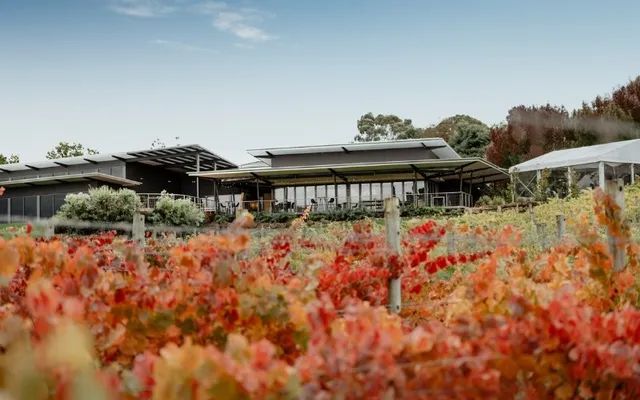
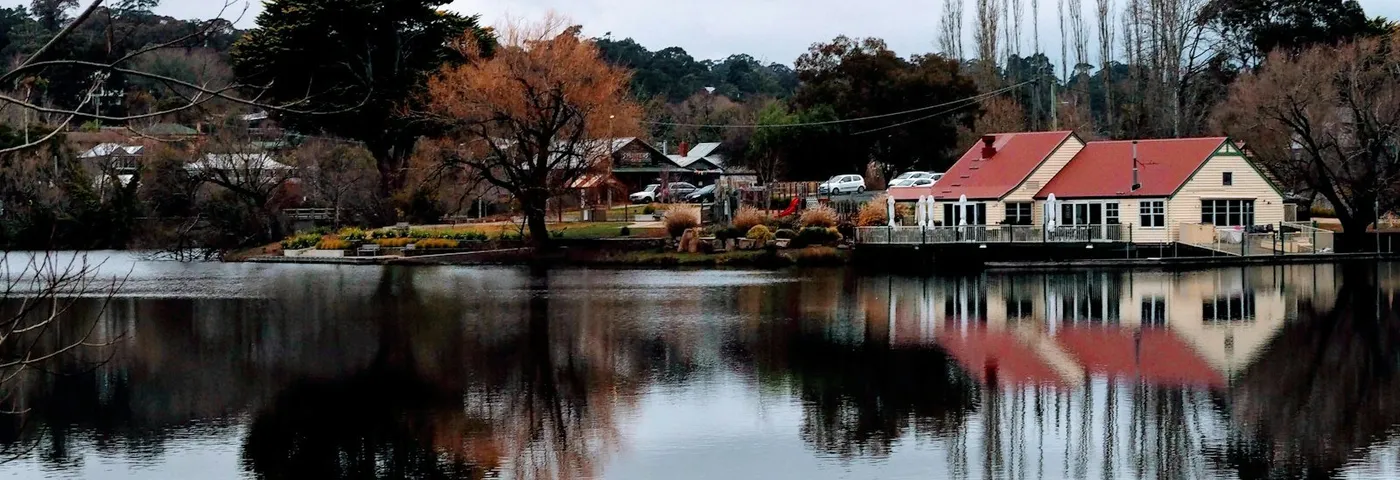
The regions themselves are remarkably distinct. Melbourne’s inner suburbs reward those who care about architecture and dining, with laneways that have incubated some of Australia’s most inventive restaurants. The Yarra Valley’s cool-climate vineyards, first planted in the 1830s, produce pinot noir and chardonnay of genuine finesse, while the Mornington Peninsula pairs its own coastal vineyards with beaches, hot springs, and a quieter tempo. Daylesford and Hepburn Springs have drawn visitors to their mineral waters since the 1890s, cultivating a spa tradition with real historical roots. Then there is the Great Ocean Road, where limestone stacks and old-growth rainforest create a landscape so theatrical it barely needs embellishment.
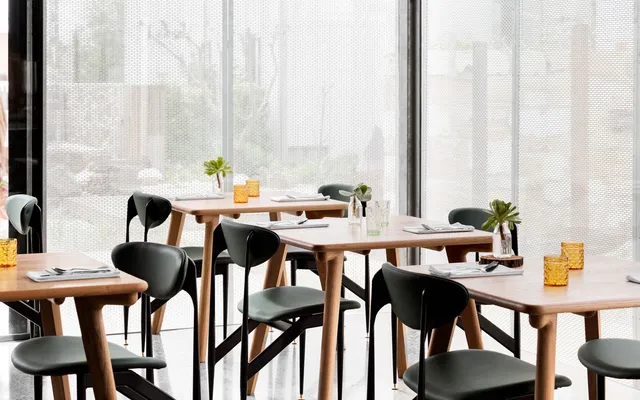
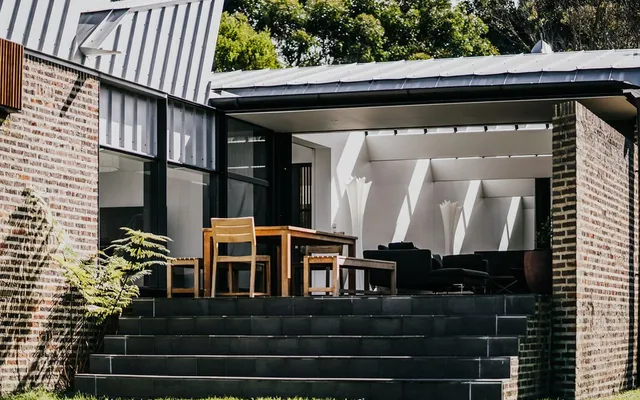
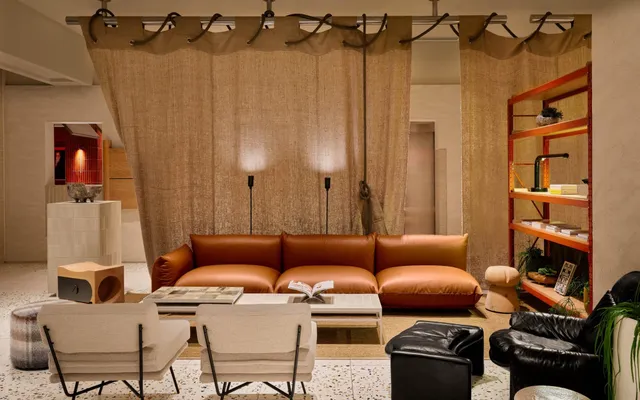
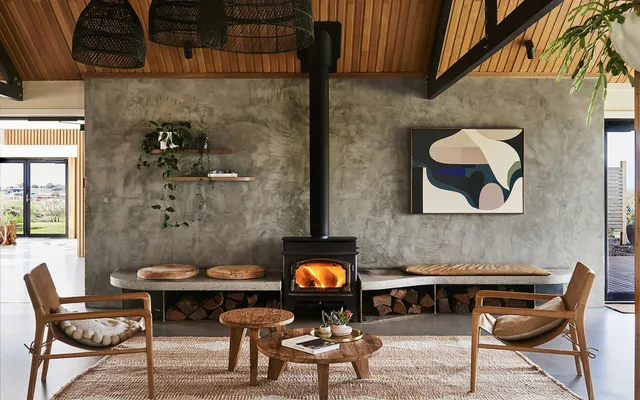
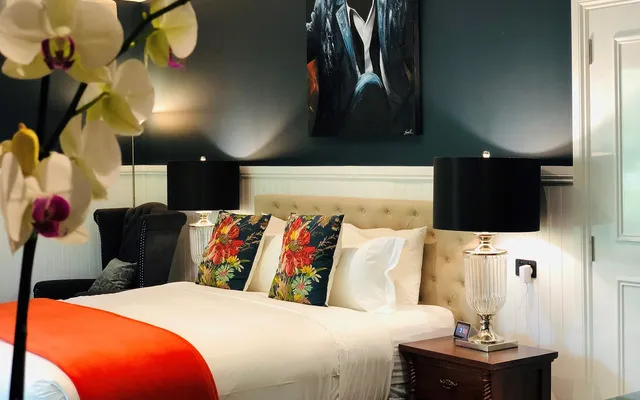
What connects Victoria’s strongest properties is a shared design intelligence and a deep engagement with seasonal produce. The best hotels here change their menus with the calendar, sourcing from farms and growers often visible from the dining room. Interiors tend toward restraint rather than opulence, letting the landscape do the work. It is a state where hospitality feels considered rather than performative, where the details, a local cheese at breakfast, a well-chosen regional wine list, a building that sits quietly in its setting, accumulate into something genuinely memorable.