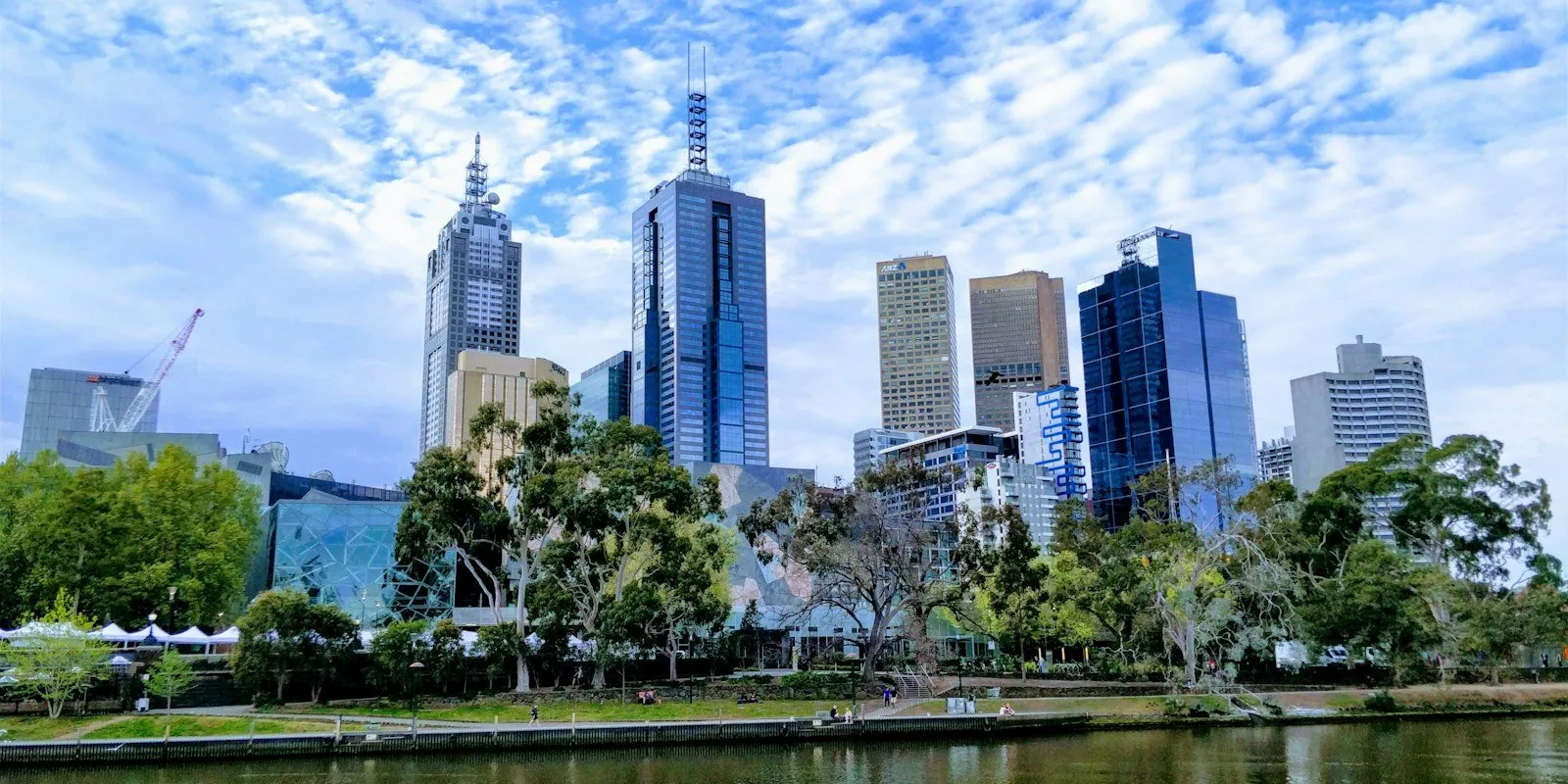
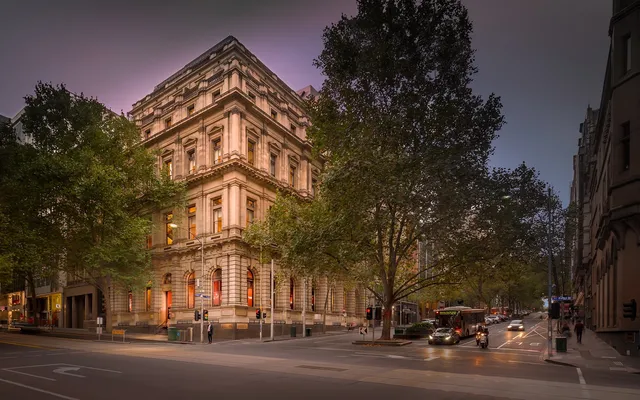
Melbourne’s identity was forged during the 1850s gold rush, when sudden wealth funded grand Victorian architecture, public gardens and institutions like the National Gallery of Victoria, Australia’s oldest public art gallery, founded in 1861. That instinct to invest in culture rather than just commerce persists. The city today supports more live music venues per capita than almost any city on earth, a theatre district anchored by the Arts Centre Melbourne spire, and a street-art scene in laneways like Hosier Lane that has become genuinely world-famous.
The food and coffee culture runs deeper than reputation suggests. Melbourne’s restaurant scene is shaped by successive waves of migration (Greek, Italian, Vietnamese, Lebanese, Chinese), producing a dining landscape where a two-hatted degustation and a family-run laksa house can share the same laneway. Flinders Lane and the CBD arcades remain the epicentre, but serious eating now stretches into inner-suburban strips in Collingwood, Prahran and Northcote. The coffee is exceptional and treated with near-religious seriousness; ordering well is part of the local ritual.
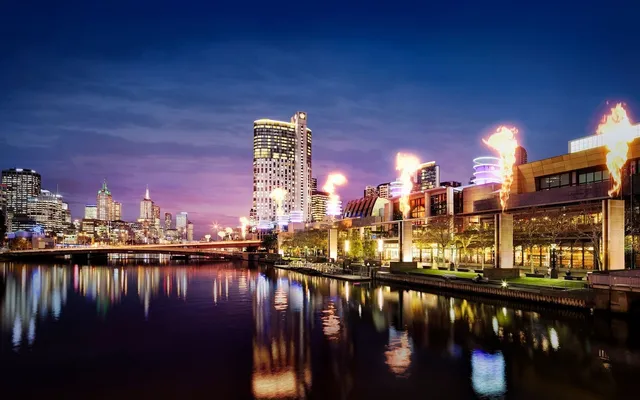
For luxury travellers, Melbourne offers something most Australian cities cannot: genuine walkability and cultural density. You can move from a private gallery viewing to a rooftop bar to a tasting-menu dinner without ever needing a car. The Royal Botanic Gardens, the Yarra River promenade and the MCG precinct all sit within the central frame, and the city’s famous four-seasons-in-one-day weather means packing a layer is simply part of the experience.