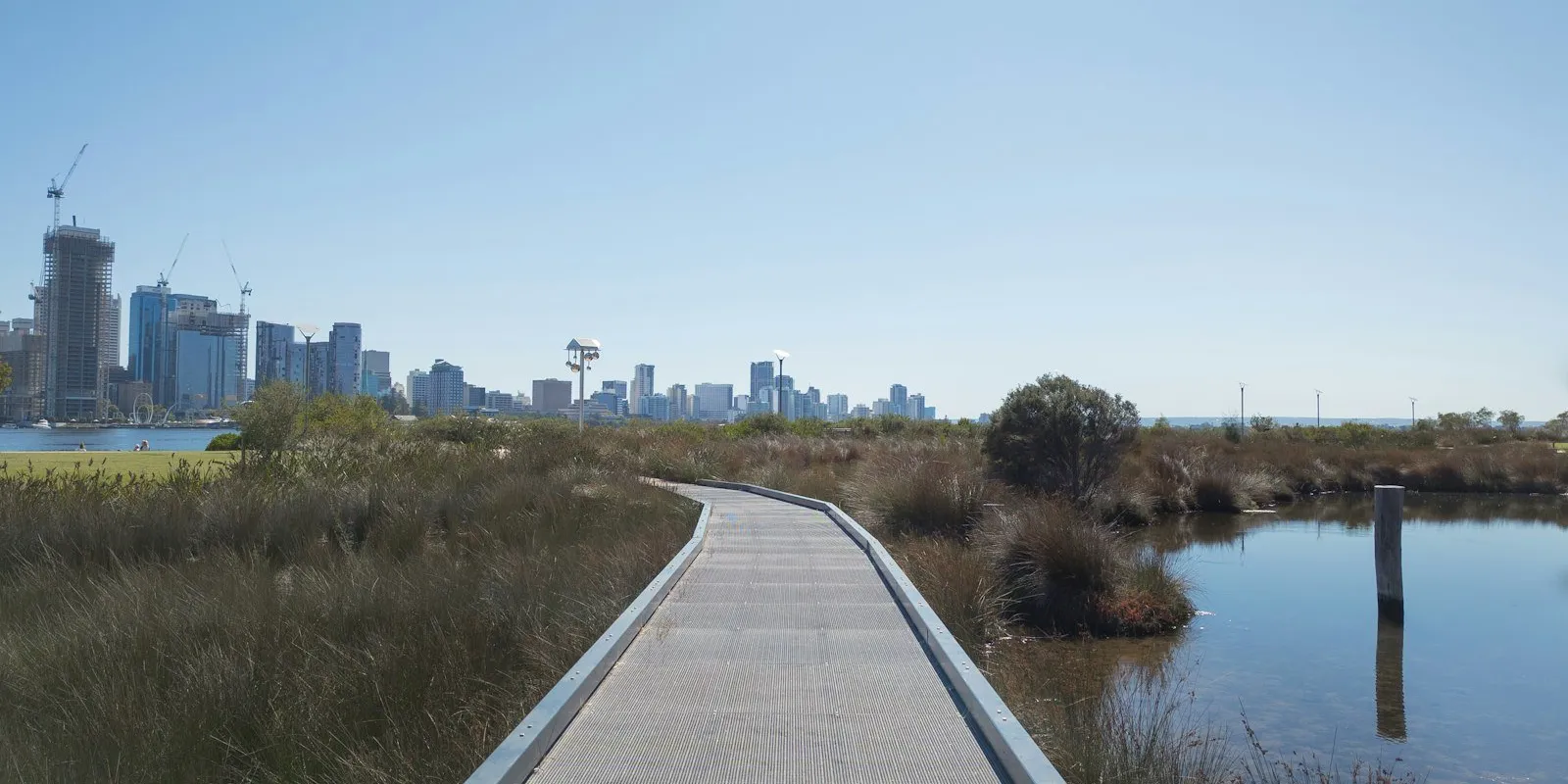
Perth is the most isolated capital city of its size on Earth, a fact that has shaped its character in unexpected ways. Rather than feeling provincial, the city has developed a confident, self-contained culture: world-class restaurants, a serious small-bar scene, and cultural institutions that punch well above what the population might suggest. The redevelopment of Elizabeth Quay and Yagan Square has connected the CBD to the Swan River in ways that make the waterfront feel integral to daily life rather than an afterthought.
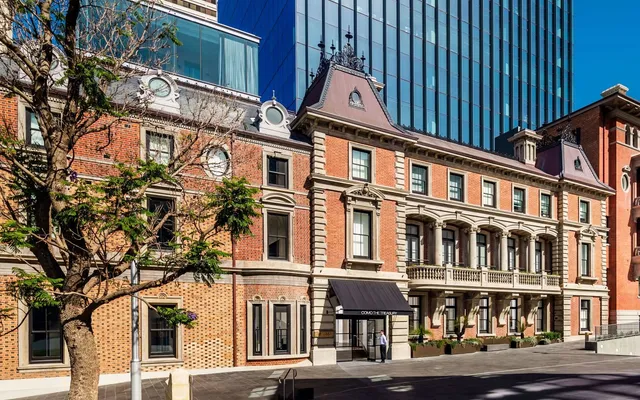
The city’s heritage architecture provides the backdrop for its finest hotels. The State Buildings, a cluster of 19th-century Treasury and Lands Department offices on Cathedral Square, have been restored into one of Australia’s most celebrated adaptive-reuse projects. Elsewhere, Art Deco and Federation-era buildings line St Georges Terrace and Hay Street, giving the CBD a sense of solidity and history that newer Australian cities lack. Kings Park, the 400-hectare bushland reserve that sits above the city, is one of the largest inner-city parks in the world, and its spring wildflower displays and sweeping views across the river to the Darling Range are genuinely remarkable.
For luxury travellers, Perth works both as a destination and a gateway. A morning at the Art Gallery of Western Australia, a long lunch in Northbridge, and a sunset ferry to Rottnest Island, where quokkas outnumber visitors and the snorkelling rivals anything on the east coast, make a compelling two or three-day itinerary. The Swan Valley, barely 30 minutes from the CBD, offers cellar doors, artisan food producers, and riverside dining in a setting that feels distinctly rural despite its proximity. Perth rewards those who look past its reputation as a mere transit point and engage with a city that has quietly become one of Australia’s most liveable and interesting urban centres.